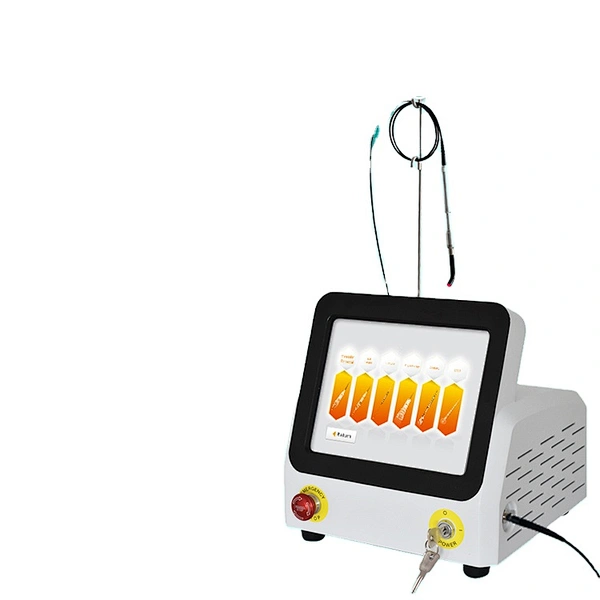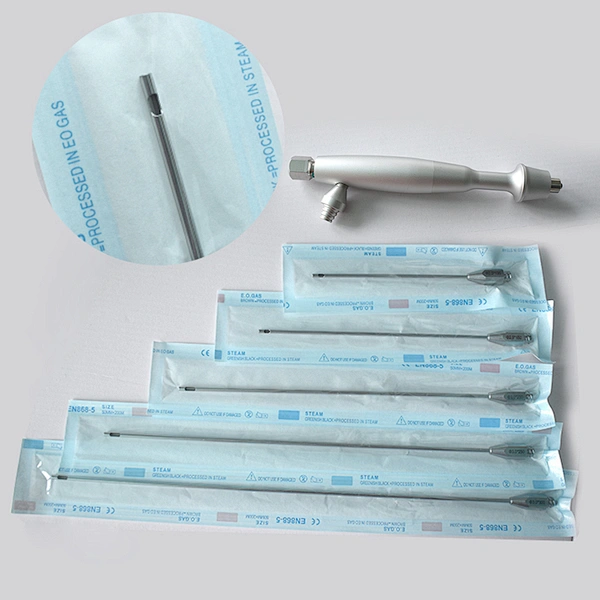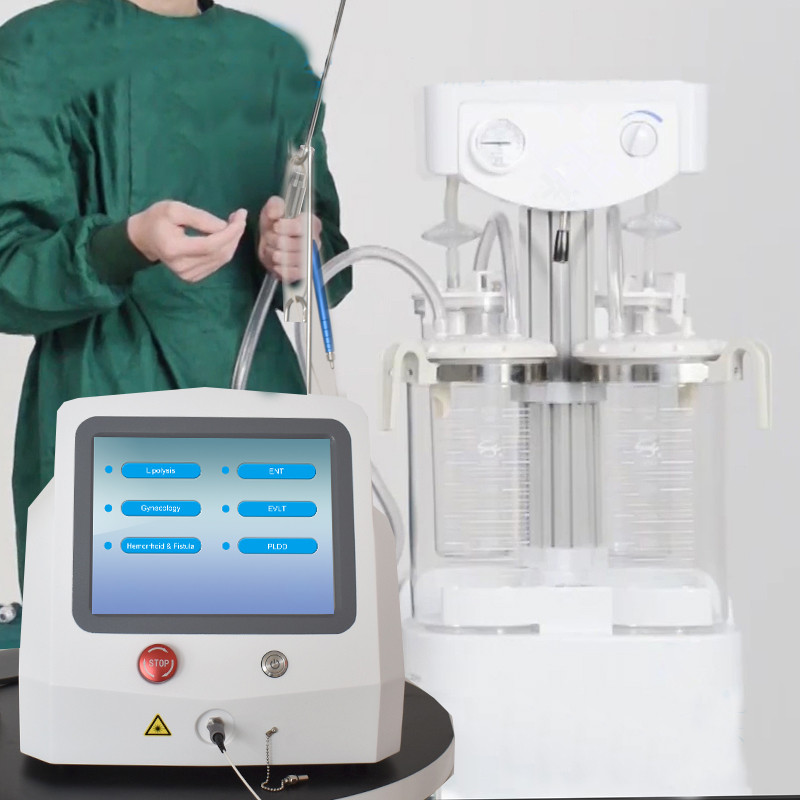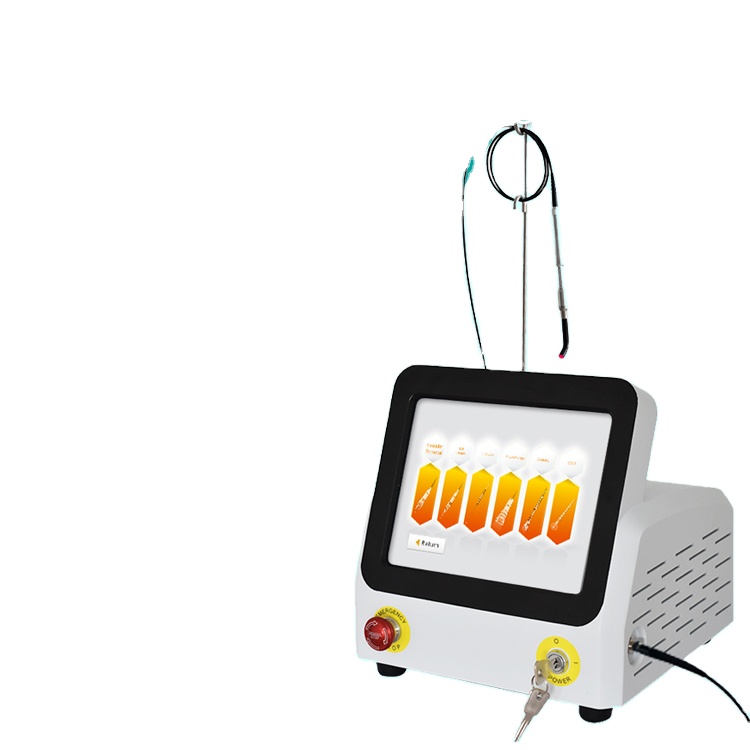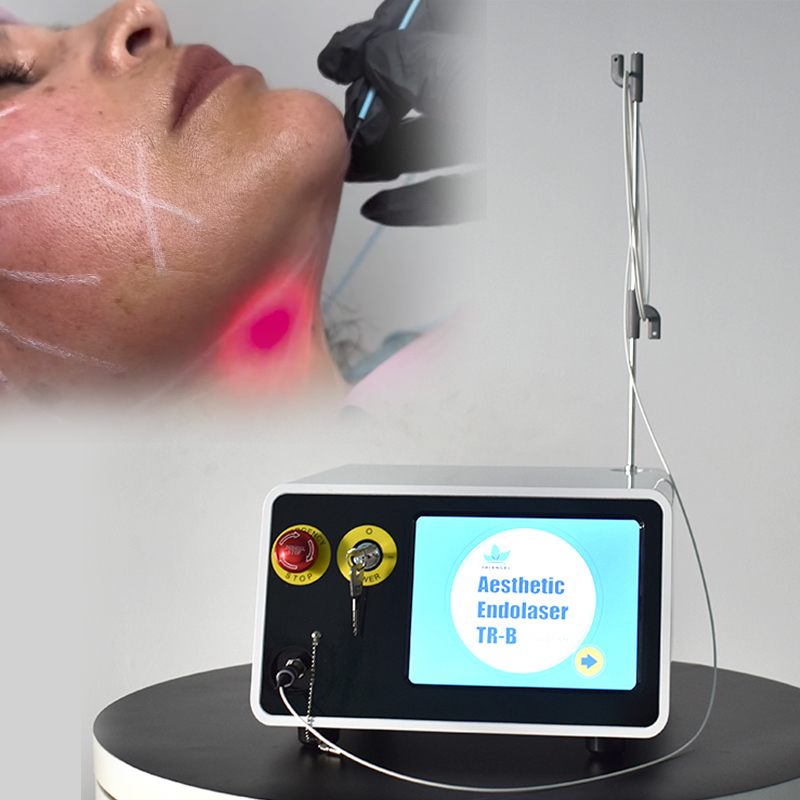
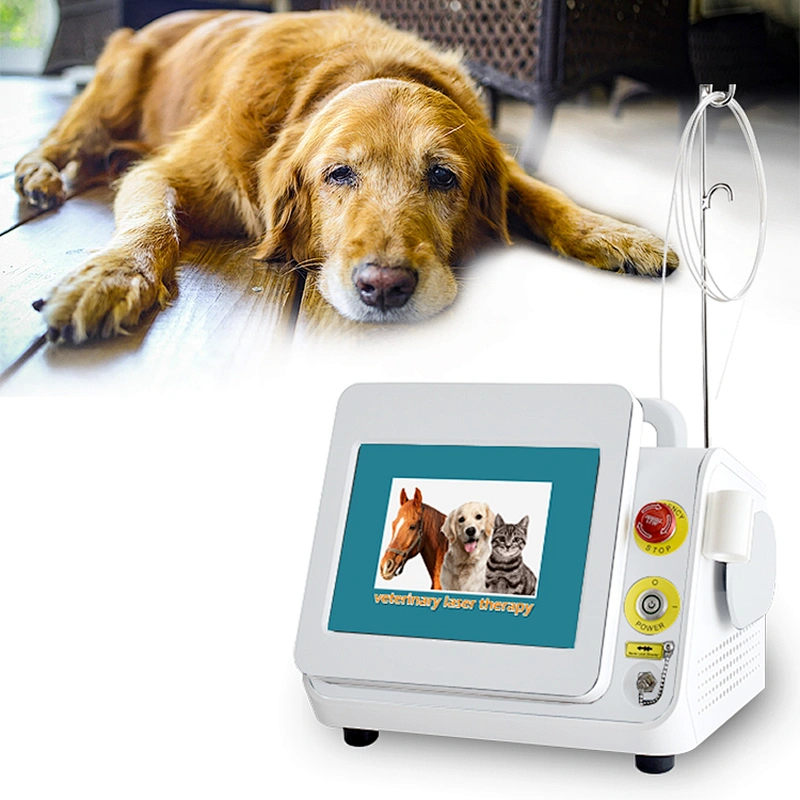
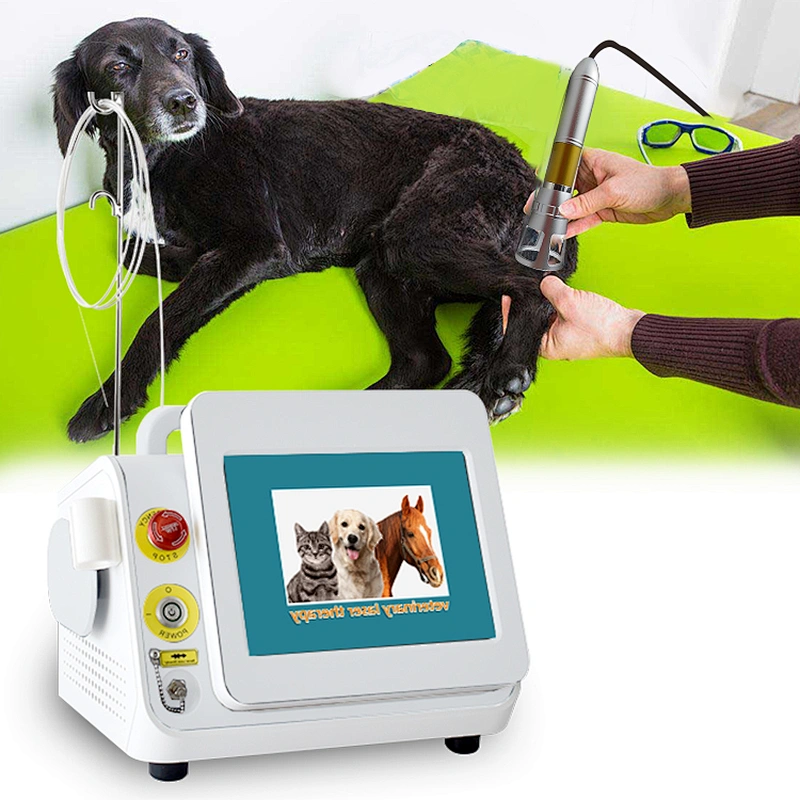
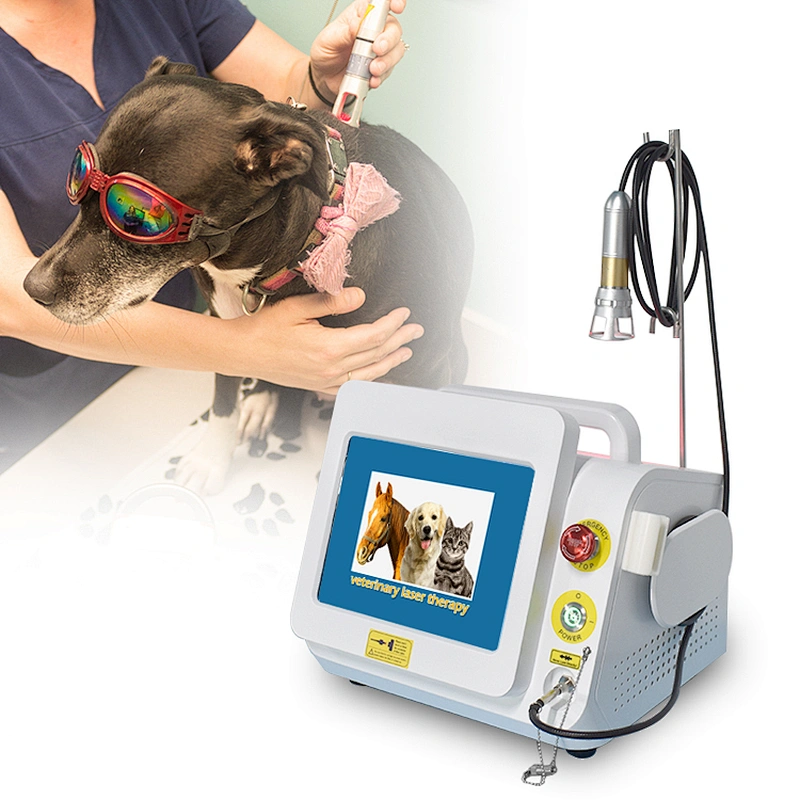
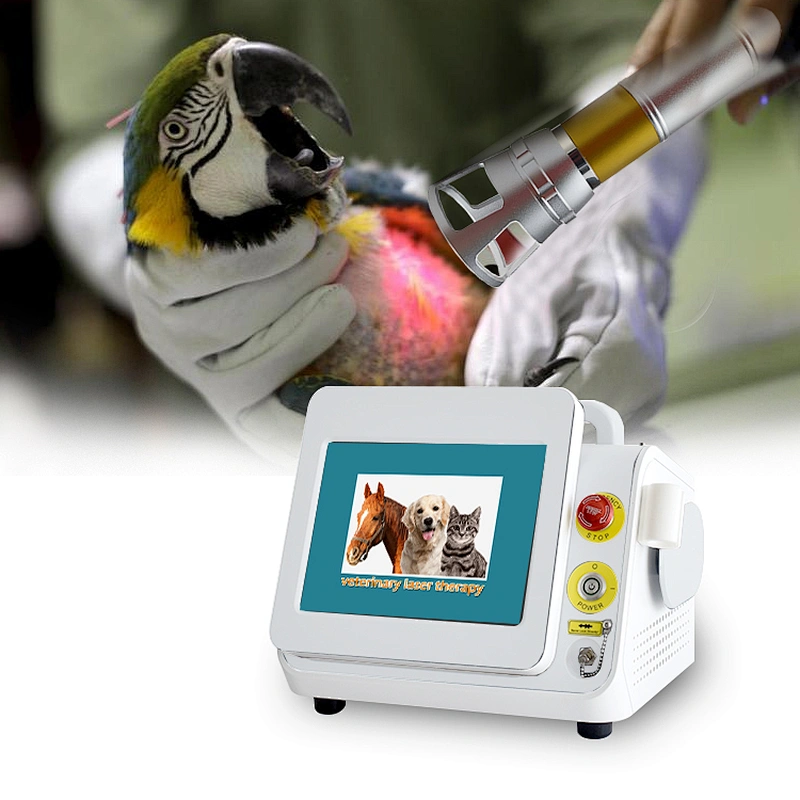
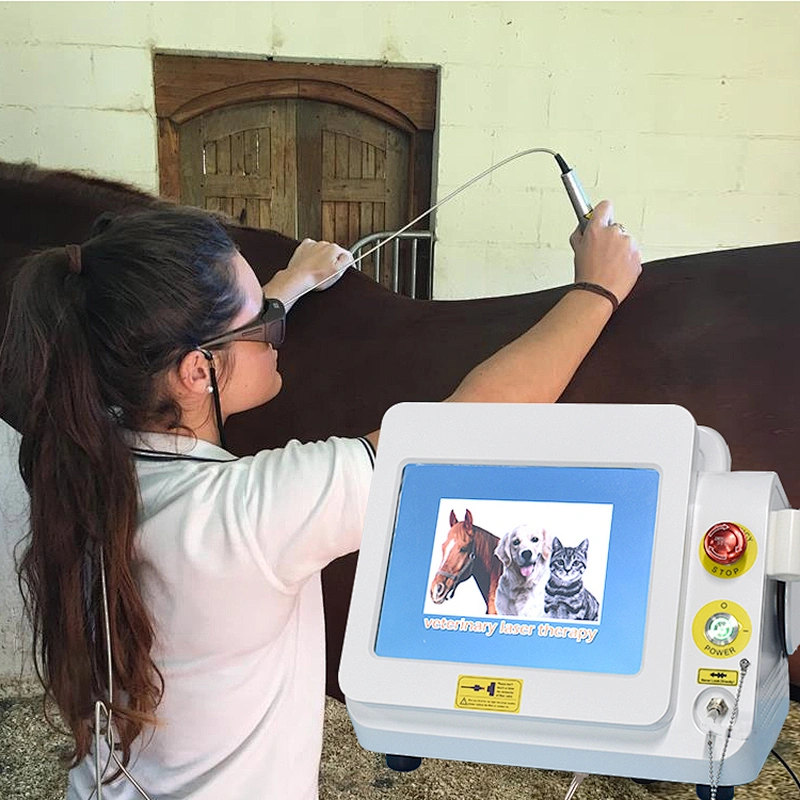
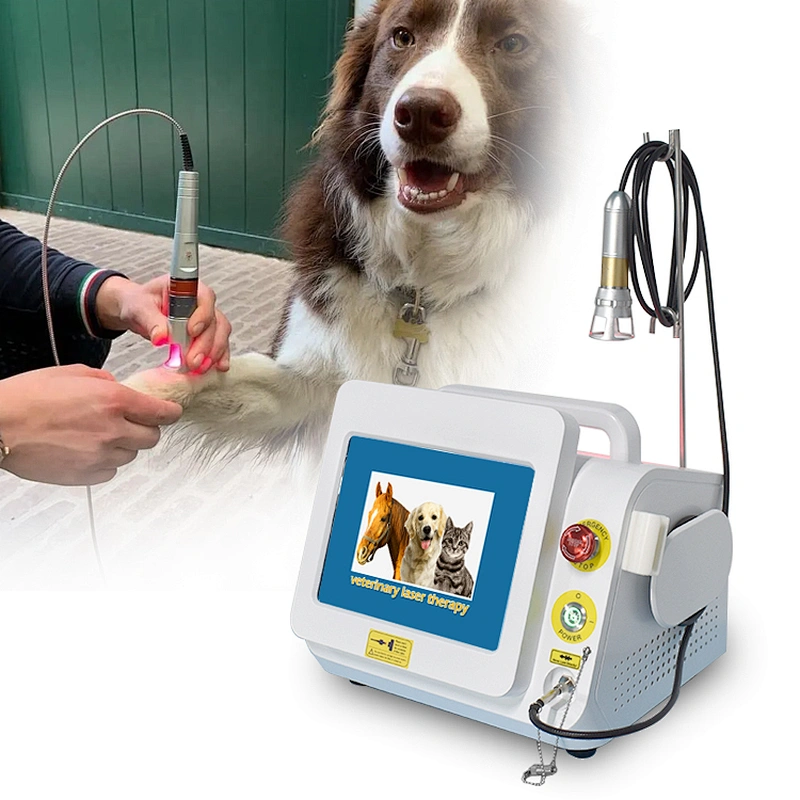
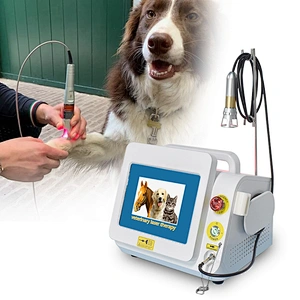
- Place of Origin:Beijing, China, Beijing, China
- Brand Name:TAZLASER
- Model Number:V6-VET60
- Properties:980nm Pet pain relief Animal physical therapy
- Laser Type:Diode Laser
- After-sales Service Provided:Yes
- MOQ:1
- Function:anti-inflammatory, pain relief
- Power:1-60W
- Advantage:High Power, No Pain
- Service:Training
- Machine Size:27cm*29cm*29cm
- Machine Weight:6 kg
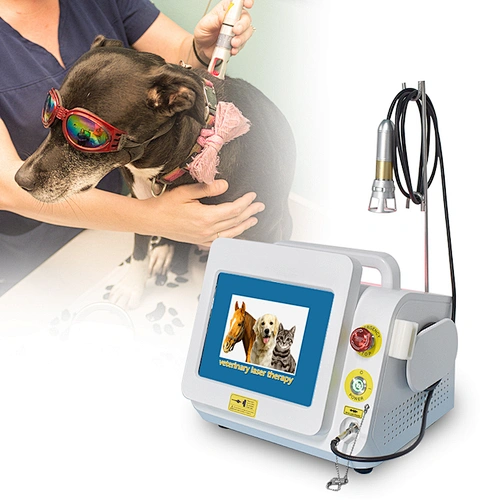
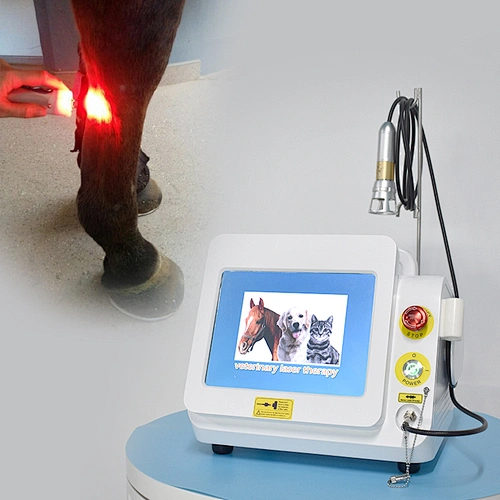
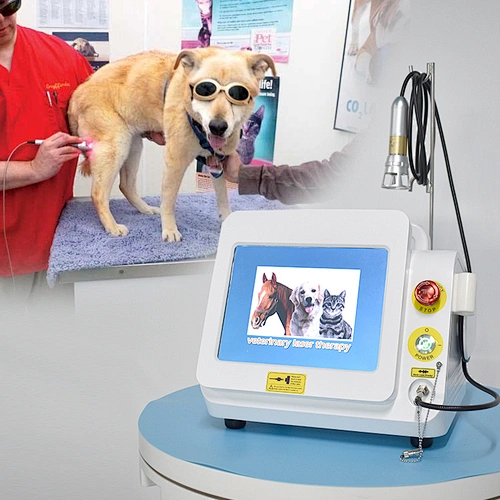
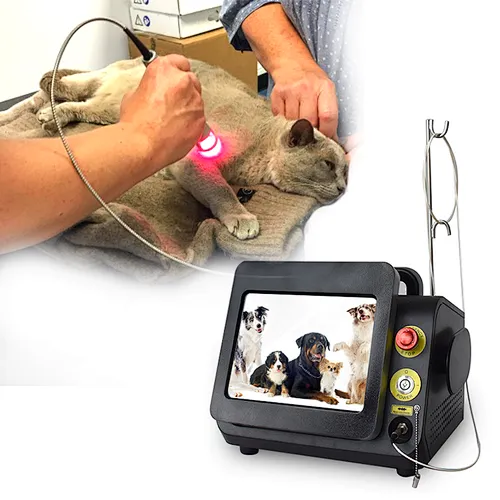
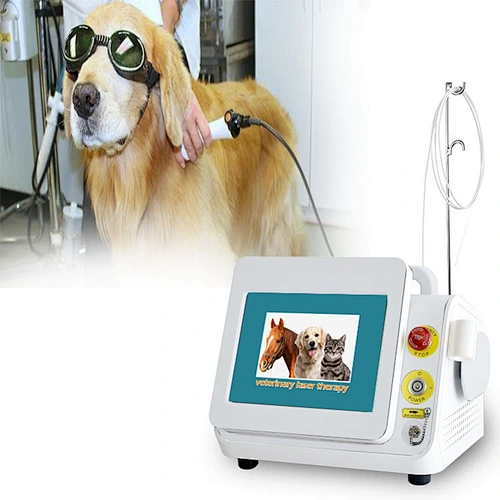
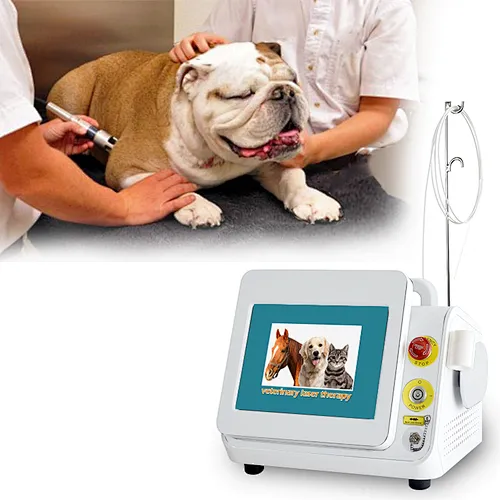
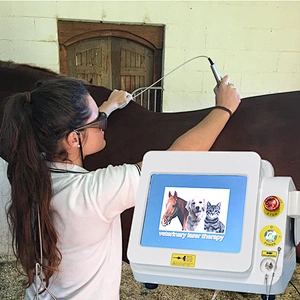
Class iv laser therapy physical dog horse animals pain relief medical device
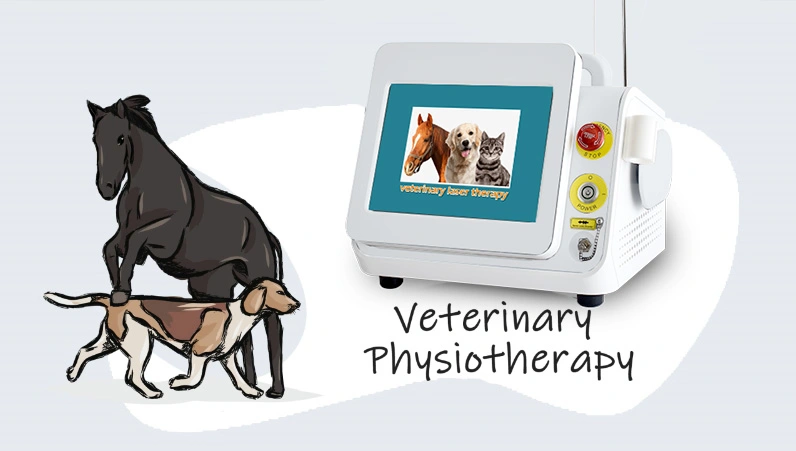
Veterinary laser therapy is an innovative treatment
That has gained popularity in recent years as veterinarians discover its benefits for pets. laser treatment can be used in conjunction with or in place of medication to manage pain, inflammation, and wound healing.
Products Description
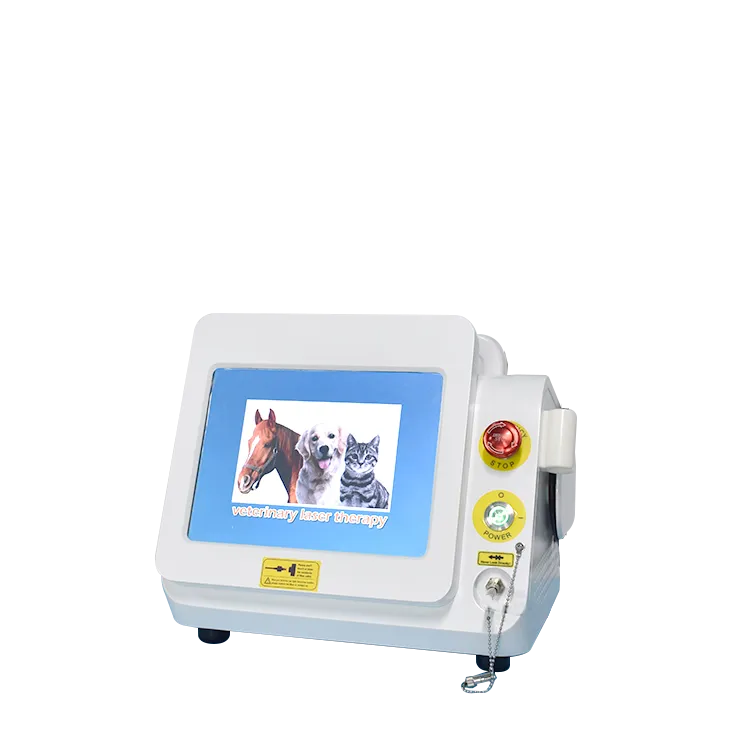
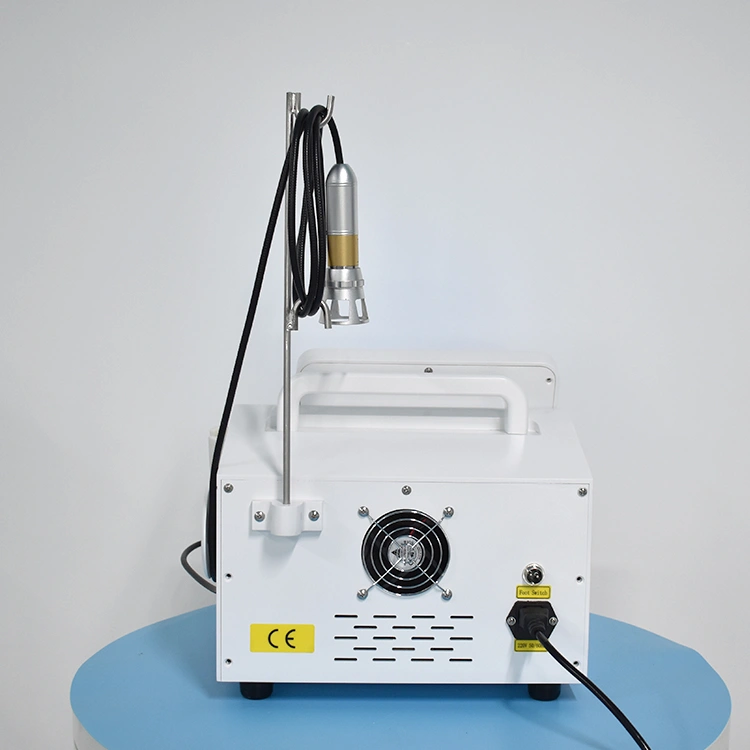
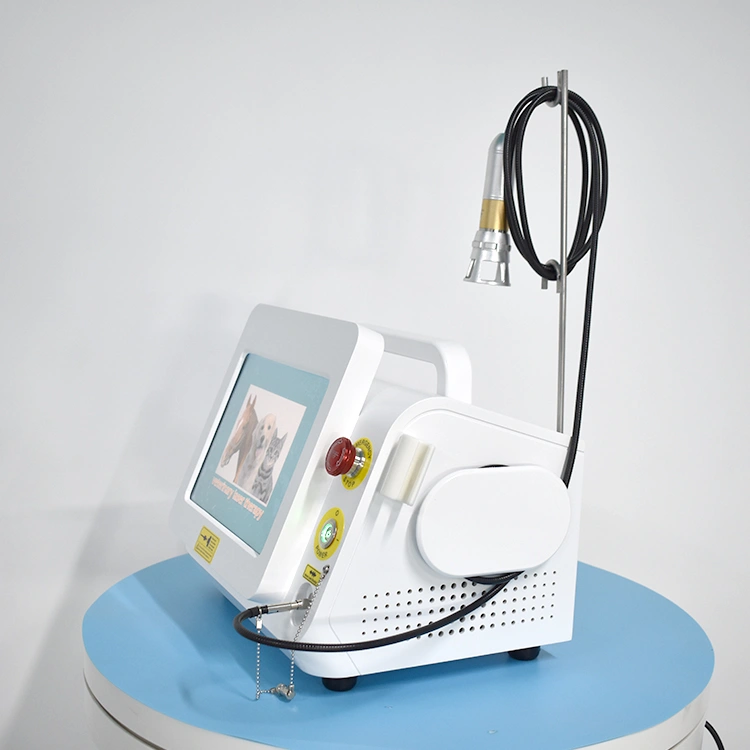
Laser type | Diode Laser Gallium-Aluminum-Arsenide GaAlAs |
Laser Wavelength | 980nm |
Fiber diameter | 400um metal covered fiber |
Output Power | 30W |
Working modes | CW and Pulse Mode |
Pulse | 0.05-1s |
Delay | 0.05-1s |
Spot size | 20-40mm adjustble |
Voltage | 100-240V, 50/60HZ |
Size | 41*26*31cm |
Weight | 7.2kg |
Treatment Effect
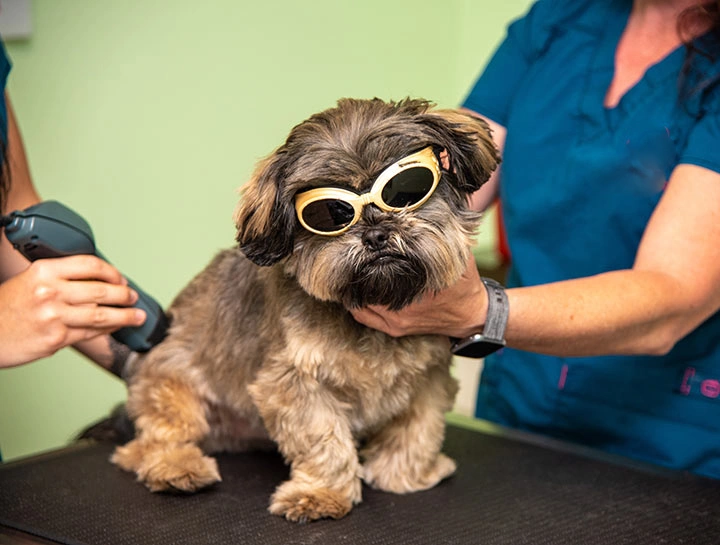
How does laser therapy affect pet’s tissue
Therapeutic lasers use light waves of a specific wavelength to cause photobiomodulation, or the alteration of cellular and tissue physiology. Light absorbed by cellular components stimulates electrons and activates cells to promote growth,proliferation,migration, and repair.
Laser therapy helps tissue repair by causing the following:
Vasodilation, which increases blood flow to bring in oxygen and cells involved in the healing process Muscle relaxation Decreased inflammation Faster healing and repair The main clinical benefits of laser use in pets include decreased inflammation, decreased pain, and improved wound healing.
Vasodilation, which increases blood flow to bring in oxygen and cells involved in the healing process Muscle relaxation Decreased inflammation Faster healing and repair The main clinical benefits of laser use in pets include decreased inflammation, decreased pain, and improved wound healing.
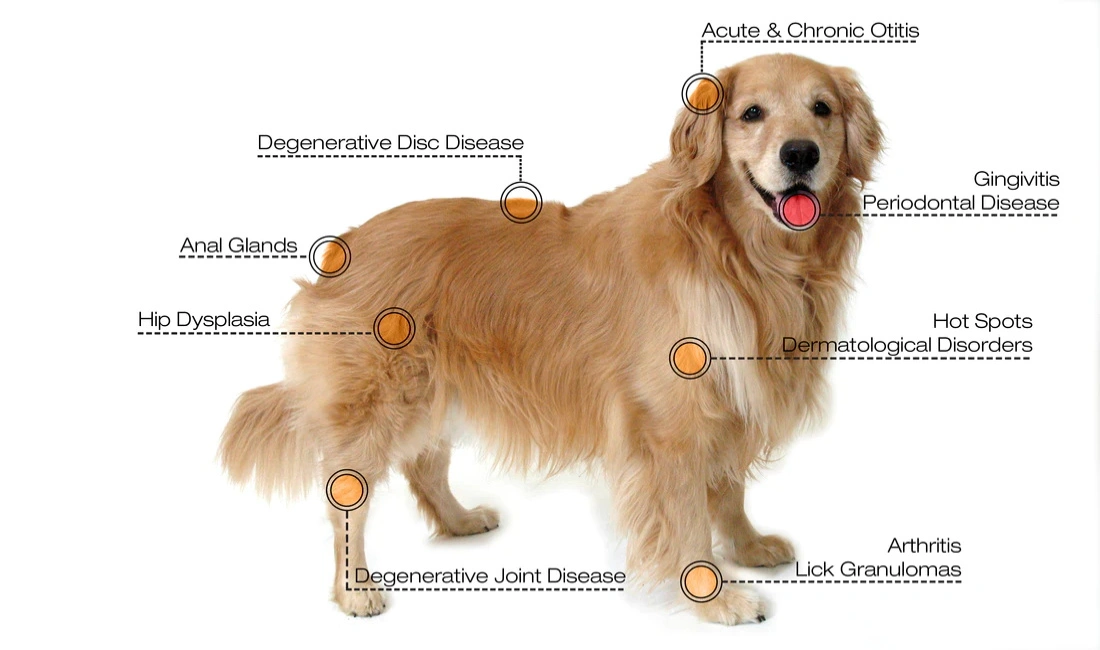
Dog laser therapy can be used to treat a multitude of ailments, including:
Muscle, ligament and tendon injuries
Post-surgical and soft tissue trauma
Back pain
Ear infections
Gingivitis
Hot Spots and open wounds
Arthritis / hip dysplasia
Degenerative disc disease
Anal gland infections
Back pain
Ear infections
Gingivitis
Hot Spots and open wounds
Arthritis / hip dysplasia
Degenerative disc disease
Anal gland infections
Products Advantages
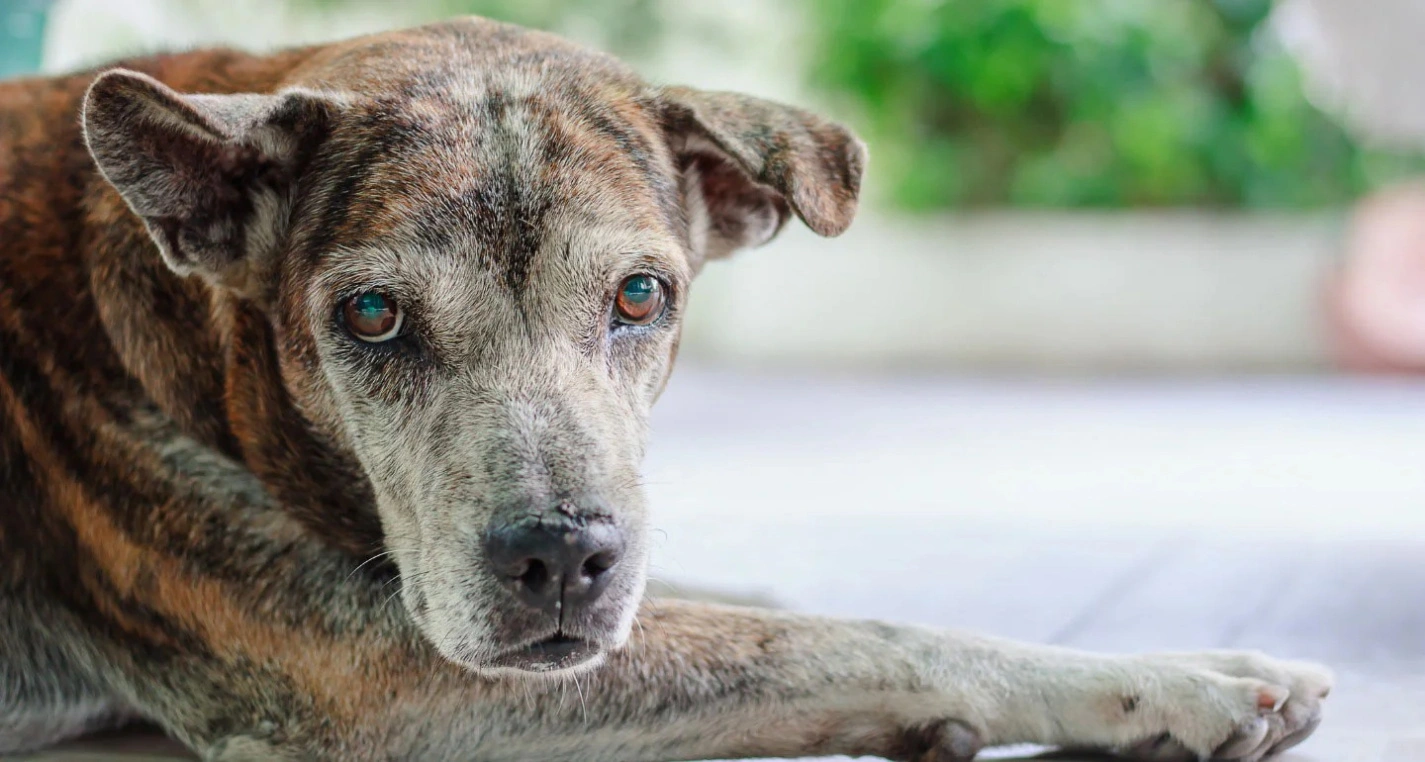
Many of our veterinary therapy patients are older animals with musculoskeletal ailments.
Some signs that your senior companion is experiencing pain or discomfort are: Abnormal sitting or lying posture Circling multiple times before lying down Restlessness Whining, groaning or other vocalizations Limping, unable to get up or lie down Difficulty getting into car or down stairs Lack of grooming Won't wag tail Licking or biting area Lack of appetite Trembling

Laser therapy is particularly useful for pets with limited medical treatment options, such as:
Pets with liver disease who cannot take medications
Cats, for whom only a few pain-control medications are approved
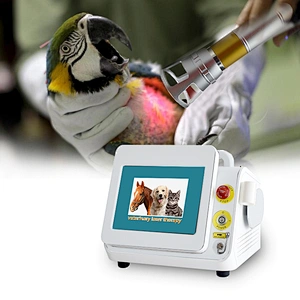
Exotic pets for whom medication administration is difficult or impossible
Older pets with diminished organ function
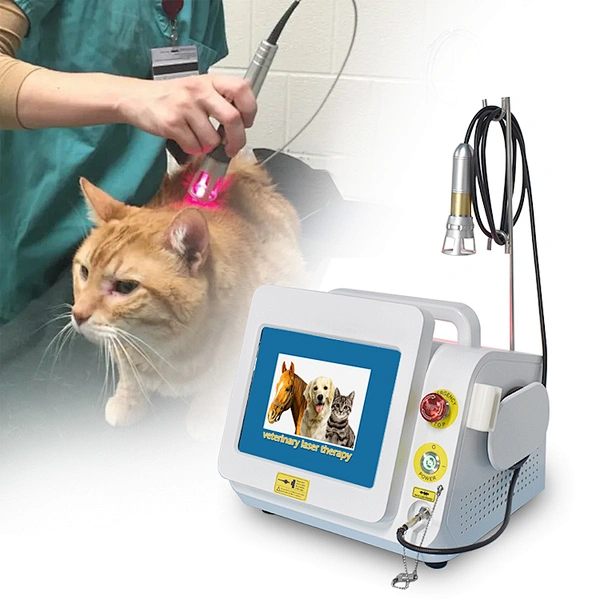
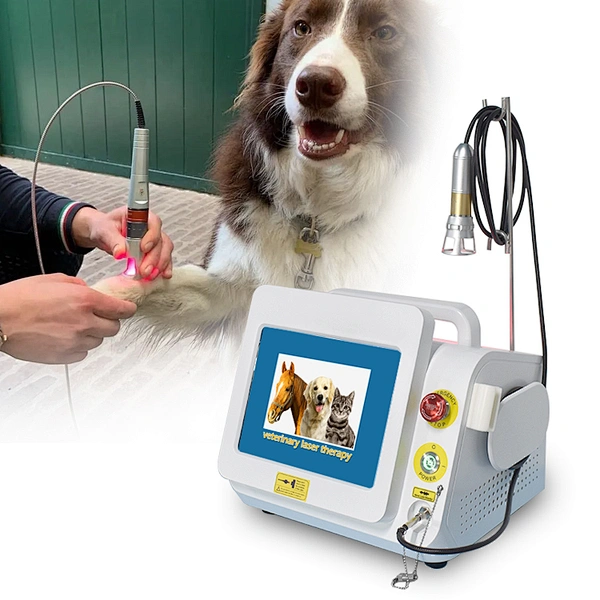
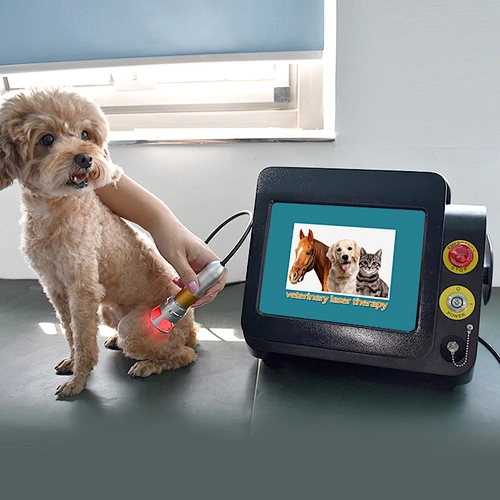
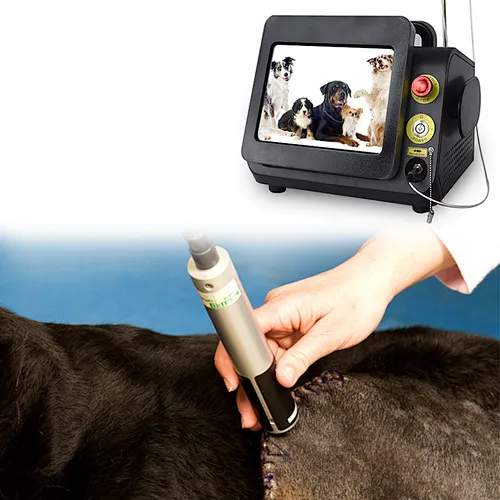
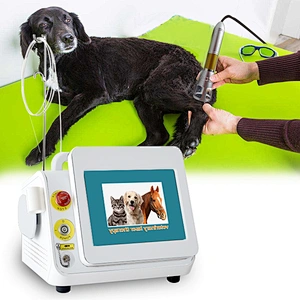
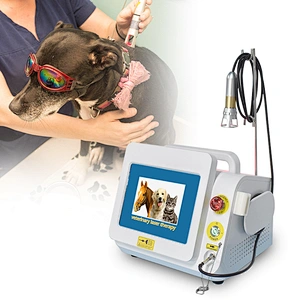
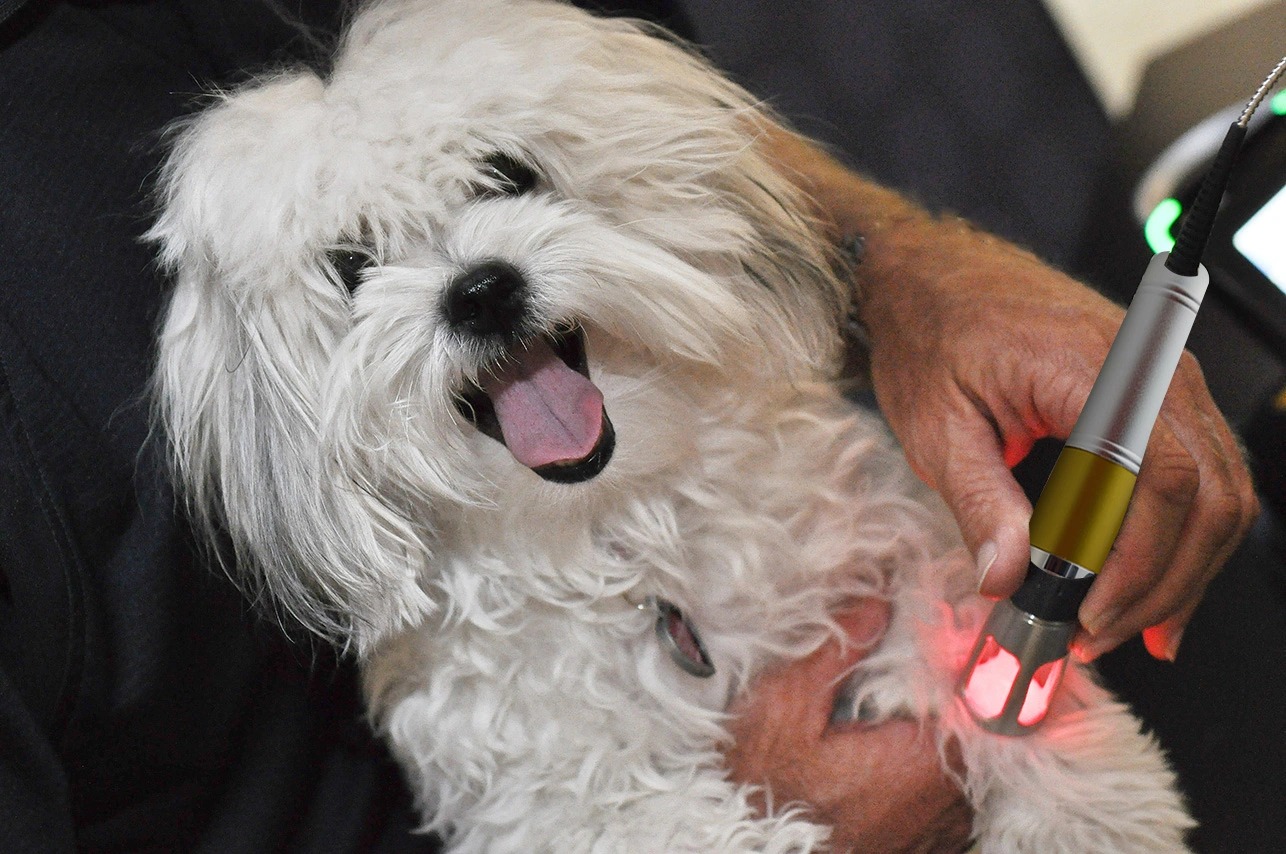
During a treatment session, the handheld laser wand is slowly moved back and forth over the damaged tissue, producing a warm, pleasant sensation that most pets seem to enjoy and find relaxing. Sessions usually last 15 to 30 minutes, with the number of sessions and frequency of treatments dependent on the injury. Chronic conditions may be treated weekly, whereas surgical incisions and open wounds often require daily treatment.
Older pets with diminished organ function
During a treatment session, the handheld laser wand is slowly moved back and forth over the damaged tissue, producing a warm, pleasant sensation that most pets seem to enjoy and find relaxing. Sessions usually last 15 to 30 minutes, with the number of sessions and frequency of treatments dependent on the injury. Chronic conditions may be treated weekly, whereas surgical incisions and open wounds often require daily treatment.
Got more questions?
If you have not found the answer to your question, Please contact us
Why Choose US


Company Profile

TAZLASER RSD LIMITED
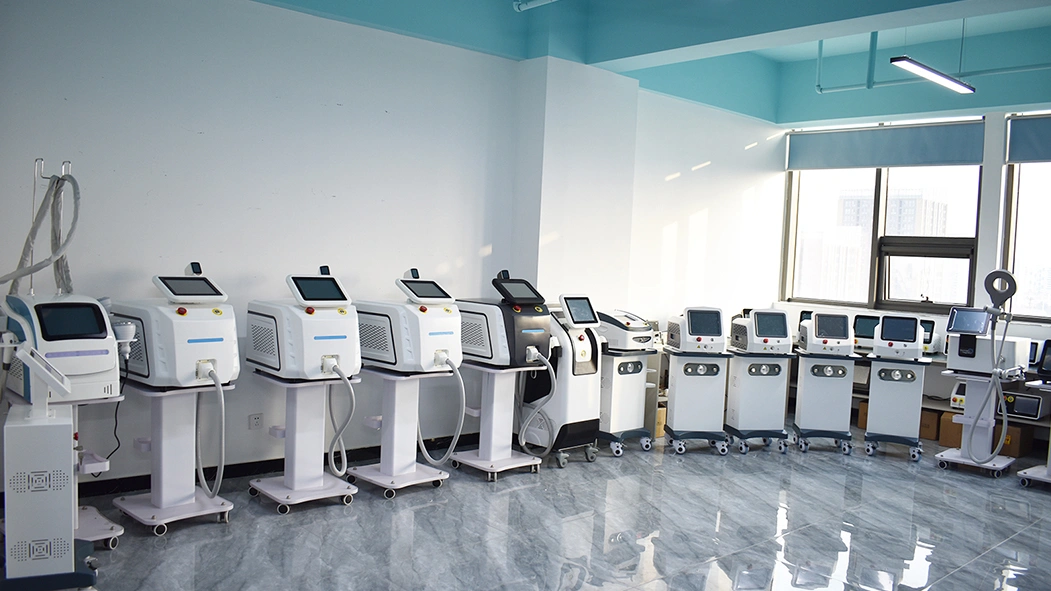
TAZLASER RSD LIMITED,is one of the specialized manufactures focused on the Aesthetics & Medical laser equipment in China,established in March 2010.We have our own repair companies & training centers in several countries,like Portugal,Russia,Australia,South Africa...could offer the technical support and clinical training in the fast and efficient way.TAZLASERgot different certificates for clients from all over the world.Medical CE,ISO13485,
RoHS;We also take part in exhibitions every year,Cosmoprof Asia(HongKong),DUBAI DERMA,
INTERCHARM(Moscow),Expocosmetica(Oporto),AMSCA(South Africa)...
RoHS;We also take part in exhibitions every year,Cosmoprof Asia(HongKong),DUBAI DERMA,
INTERCHARM(Moscow),Expocosmetica(Oporto),AMSCA(South Africa)...
TAZLASER,hope to be your Responsible,Sincere and Dependable partner in China!

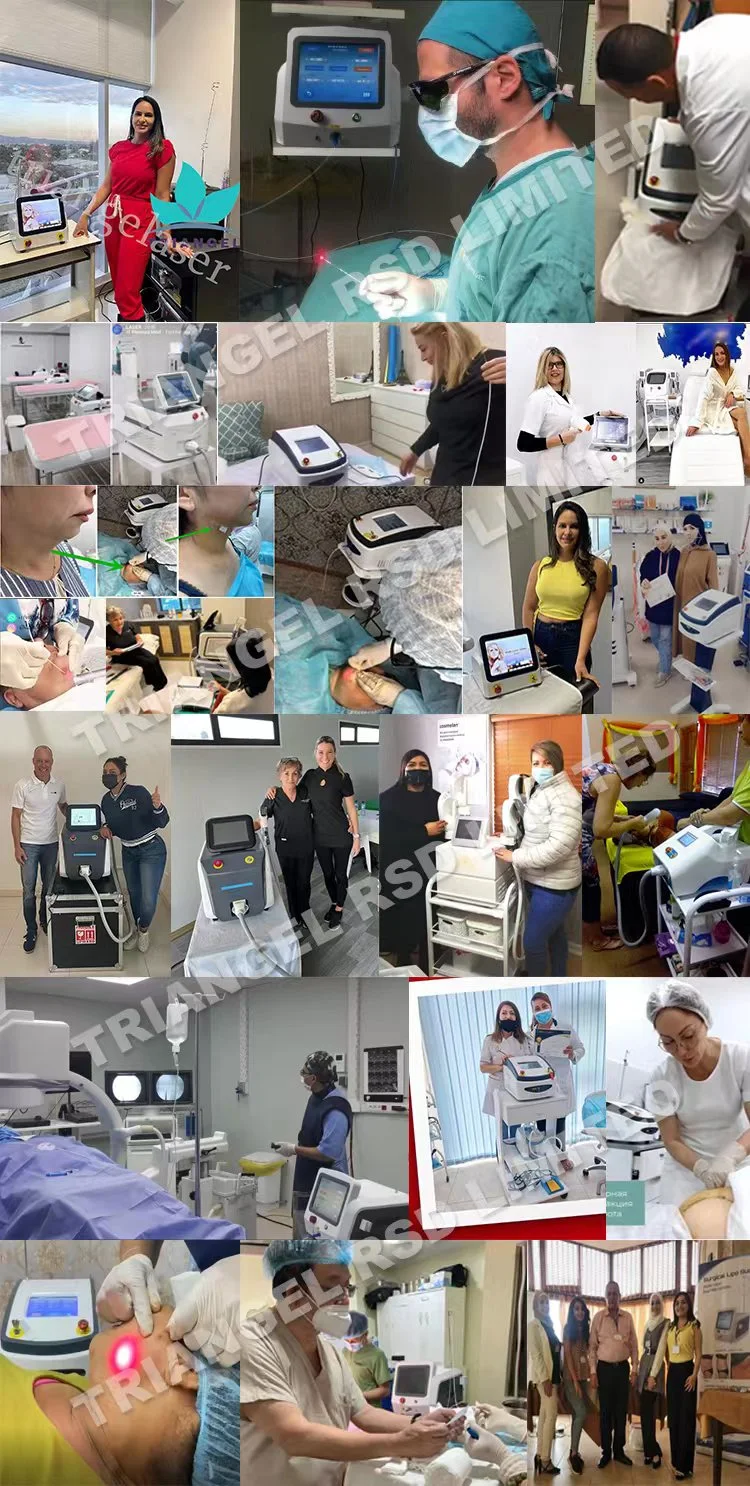


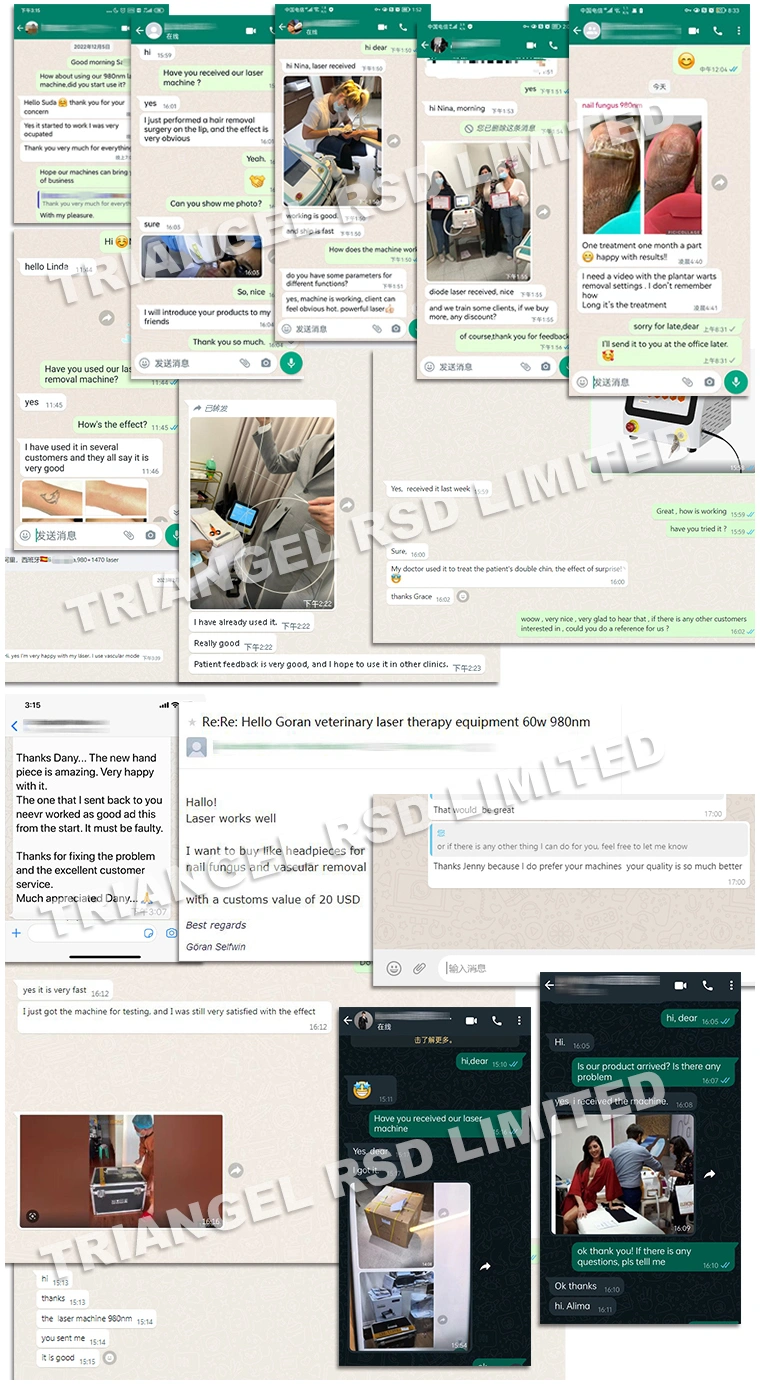
Customer Feedback
FAQ
1.What does a veterinary laser do?
Laser therapy helps tissue repair by causing the following: Endorphin release. Vasodilation,which increases blood flow to bring in oxygen and cells involved in the healing process. Muscle relaxation.
2.Does laser therapy on dogs really work?
laser therapy works directly on injured or affected areas, laser treatments can help speed up healing,strengthen muscle and tissue, improve mobility and enhance your dog's overall quality of life almost immediately Laser therapy provides you with a safe and effective alternative to drugs and surgery. You can see results within 3 to 5 short
treatments.
treatments.
3.Laser Therapy To Recover From Injury Or Surgery ?
Dog laser therapy is a very helpful tool during postoperative recovery. In minor cases,laser therapy alone may be enough to alleviate pain and stimulate the healing process. Because it works directly on injured or affected areas, laser treatments can help speed up healing, strengthen muscle and tissue, improve mobility and enhance your dog's overall quality of life almost immediately.
4.Is laser treatments good for arthritis for dogs?
"Laser therapy is a very effective modality to speed and direct healing in dogs with painful arthritis, strains and sprains and other injuries or effects of aging,"said Dr. ..."It has been used in humans for a long time and dogs now can reap the benefits, too."
5.How are laser treatments administered?
During a treatment session, the handheld laser wand is slowly moved back and forth over the damaged
tissue,producing a warm, pleasant sensation that most pets seem to enjoy and find relaxing. Sessions usually last 15 to 30 minutes, with the number of sessions and frequency of treatments dependent on the injury. Chronic conditions may be treated weekly, whereas surgical incisions and open wounds often require daily treatment.
tissue,producing a warm, pleasant sensation that most pets seem to enjoy and find relaxing. Sessions usually last 15 to 30 minutes, with the number of sessions and frequency of treatments dependent on the injury. Chronic conditions may be treated weekly, whereas surgical incisions and open wounds often require daily treatment.
6.How often should my dog get laser therapy?
Typically, your dog will start out with two or three sessions a week, depending on the type and severity of the issue being
treated, and eventually decrease to once a week, and then once every two weeks.
treated, and eventually decrease to once a week, and then once every two weeks.