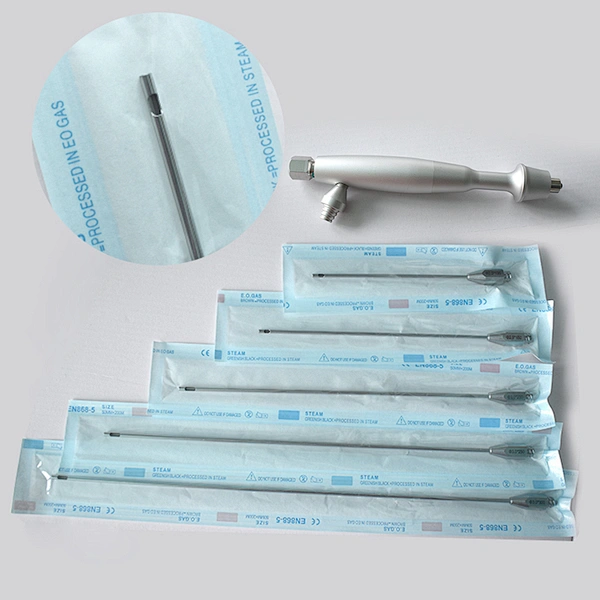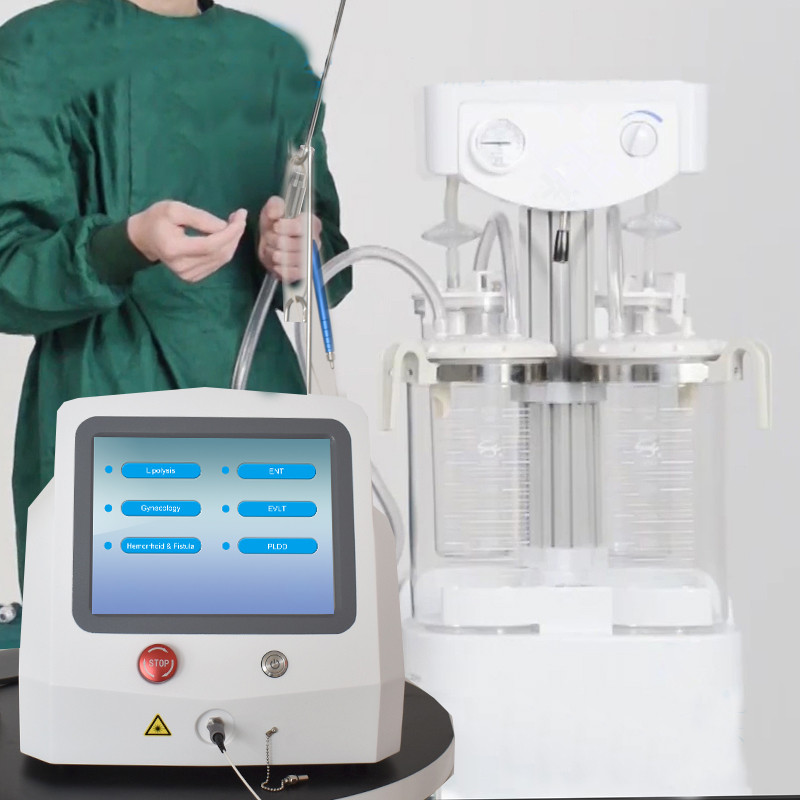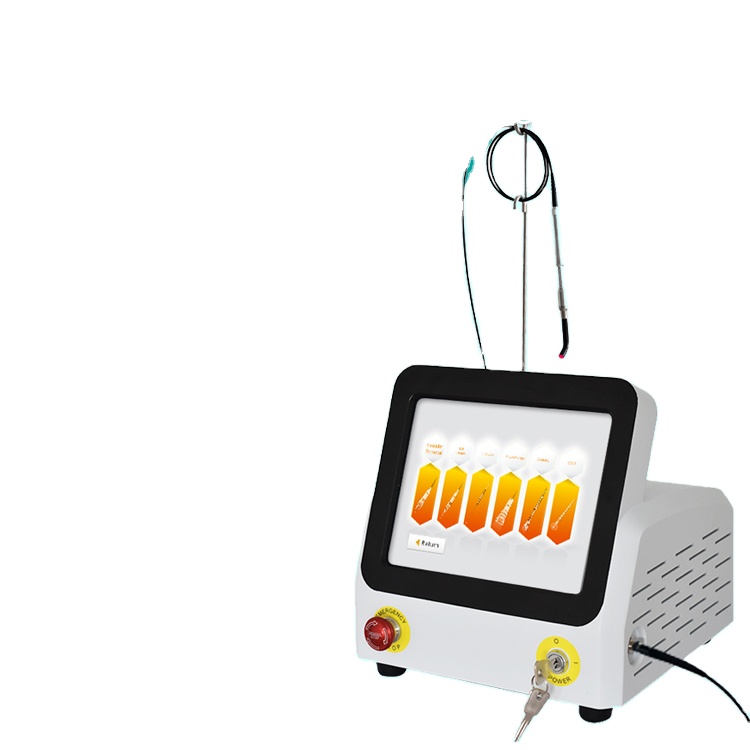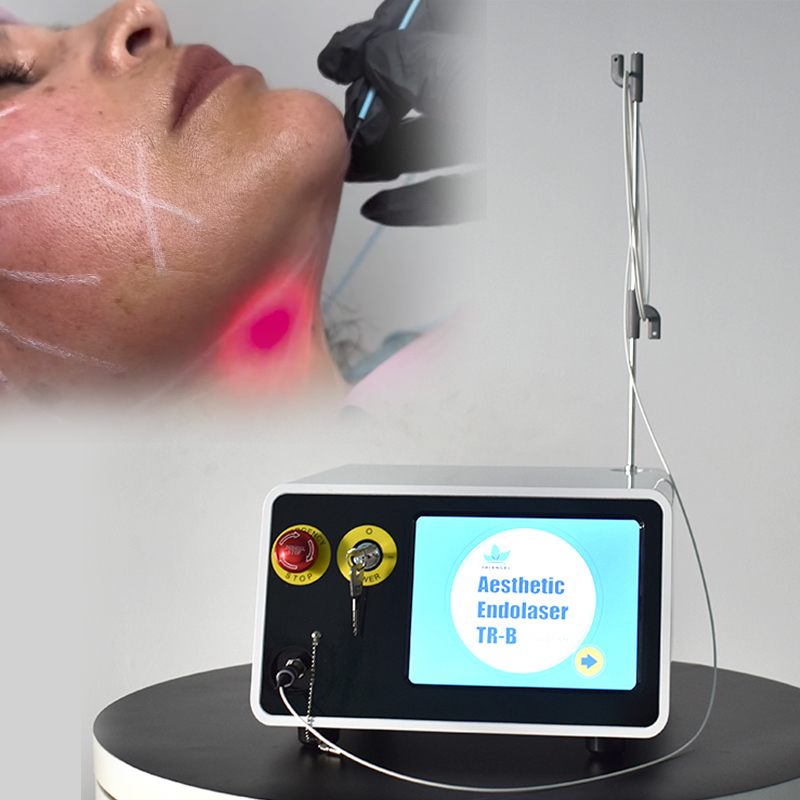


- place of origin:Beijing, China
- brand name:TAZlaser
- model number:Laseev
- q-switch:NO
- laser type:laser
- style:PORTABLE
- type:Desktop
- feature:PLDD LASER
- application:For Commercial
- after-sales service provided:Free spare parts, Online support, Video technical support
- warranty:1 Year
- Delay:0.00-1s
- Laser wavelength:980+1470nm
- Energy:30+17w
- Screen:Touchable
- Working Mode:CW, Pulse and Single
- fiber:400/600/800 um fiber
- Feature:SMA905 international standard
- Aiming Beam:Adjustable Red Indicator Light 650nm
- Certification:ce/ISO13485/ISO9001
- Voltage:100-240V, 50/60HZ
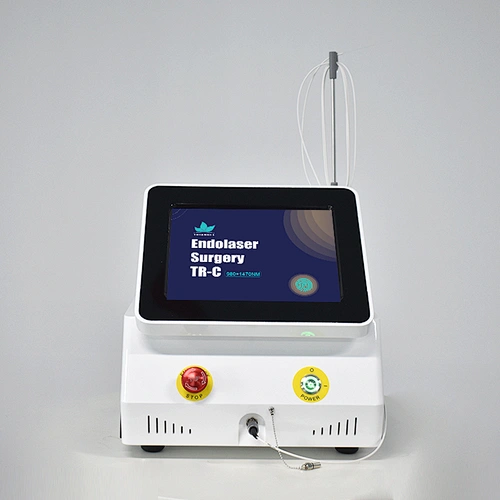
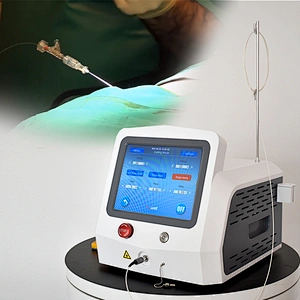
Effectively 47w Laseev Orthopedist Use Curing Slipped Discs PLDD
Products Description
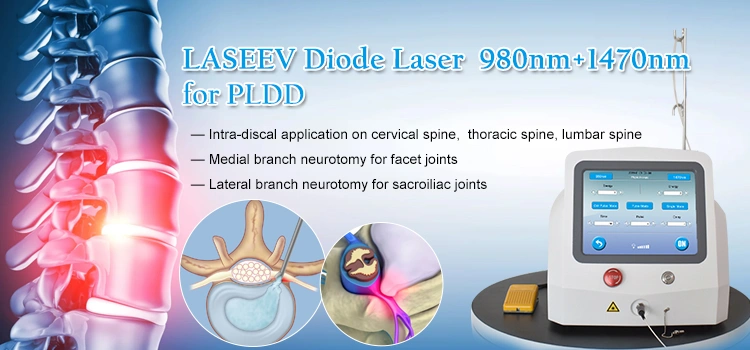
Model | Laseev 980nm+1470nm |
Laser type | Diode Laser Gallium-Aluminum-Arsenide GaAlAs |
Wavelength | 650nm+980nm+1470nm |
Output Power | 47w 60W |
Working modes | CW, Pulse and Single |
Pulse | 0.00-1s |
Delay | 0.00-1s |
Indication light | 650nm,intensity control |
Fiber | 400 600 (bare fiber) |
Treatment Principle
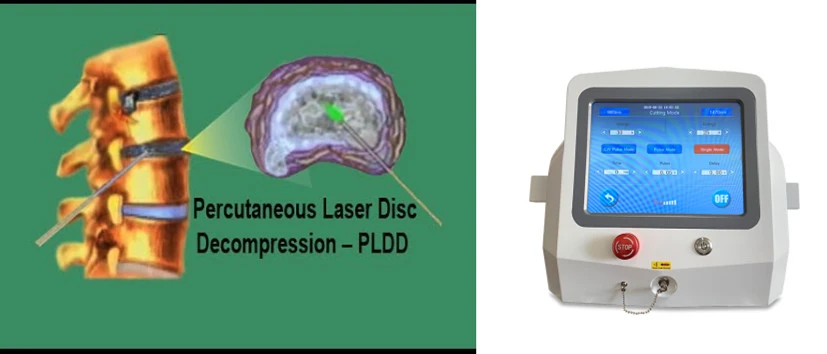
What is PLDD
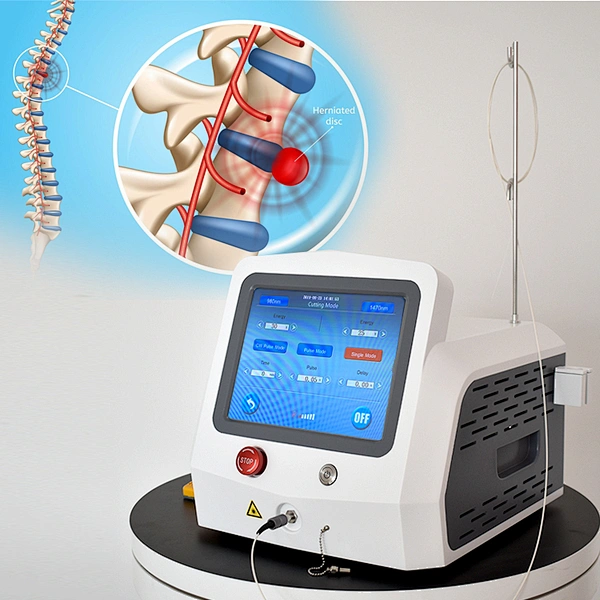
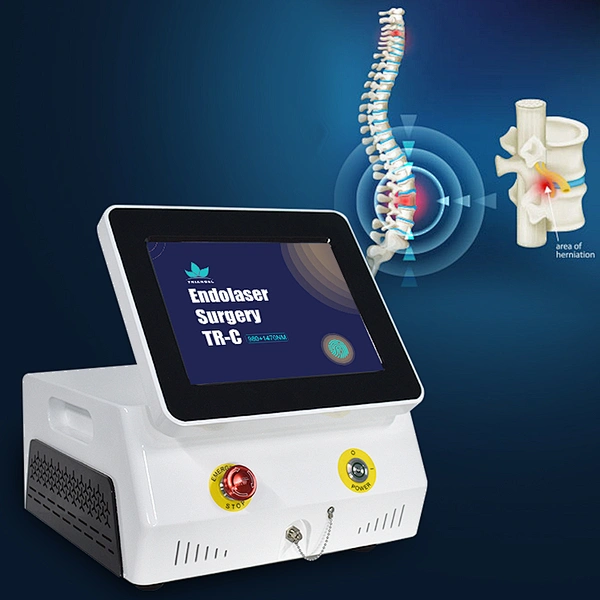
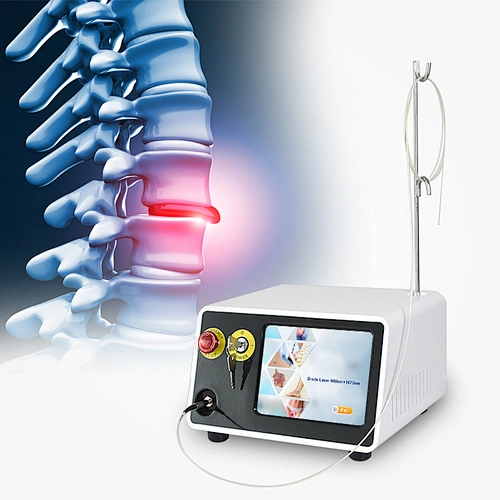
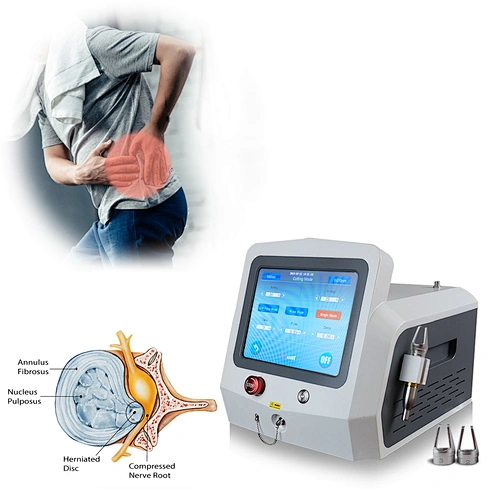
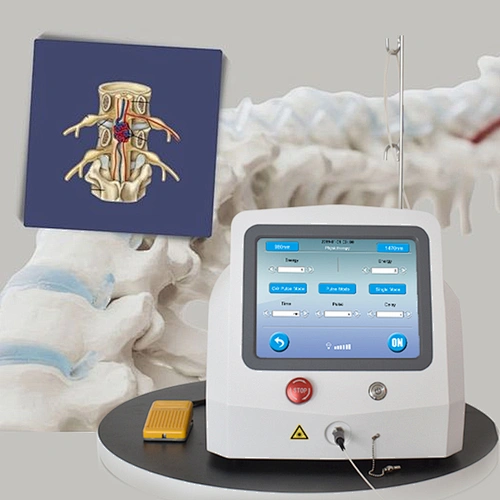
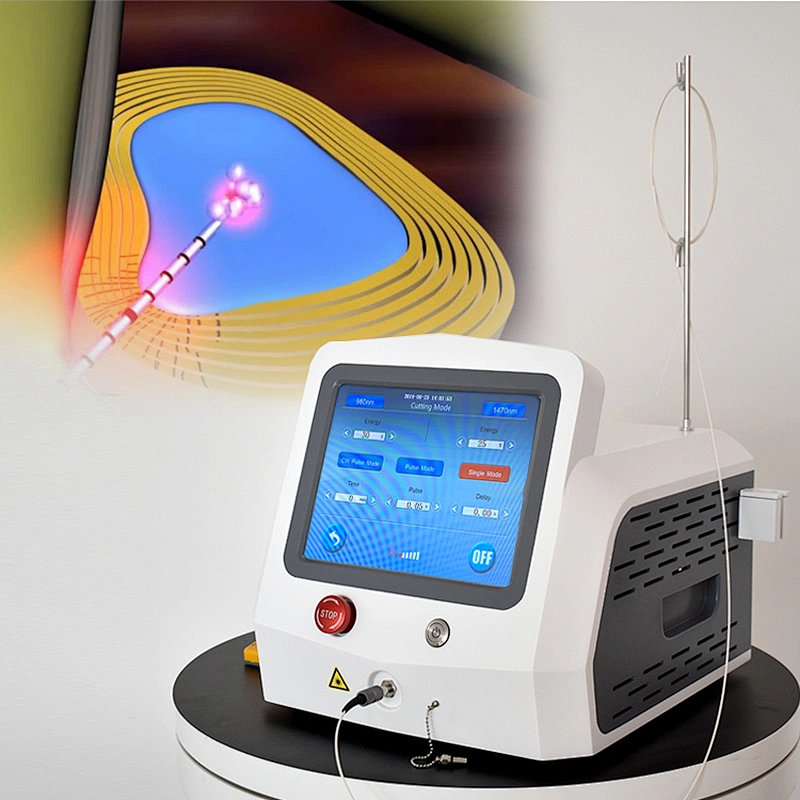
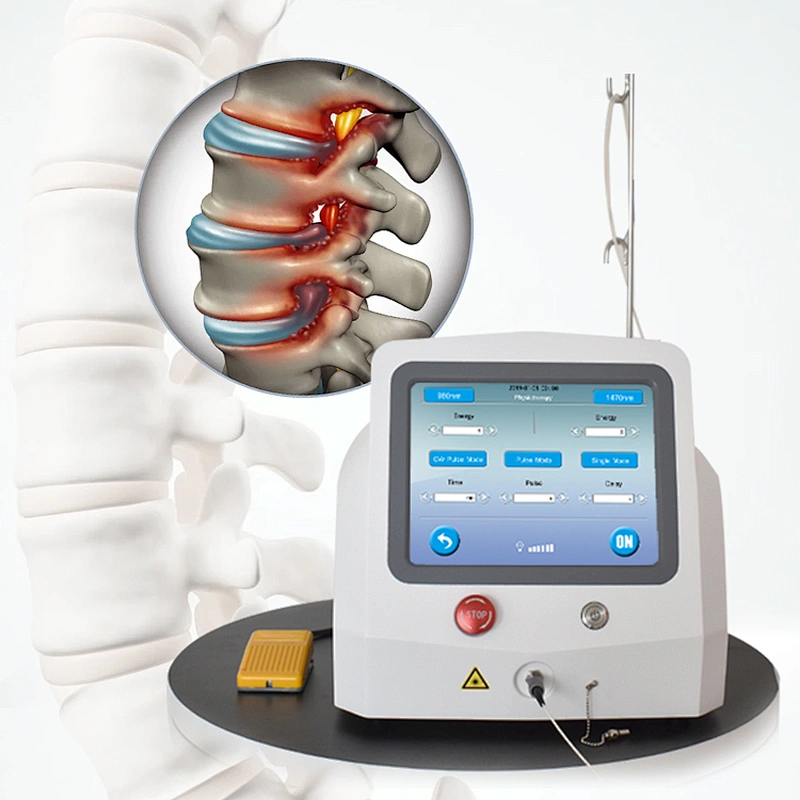
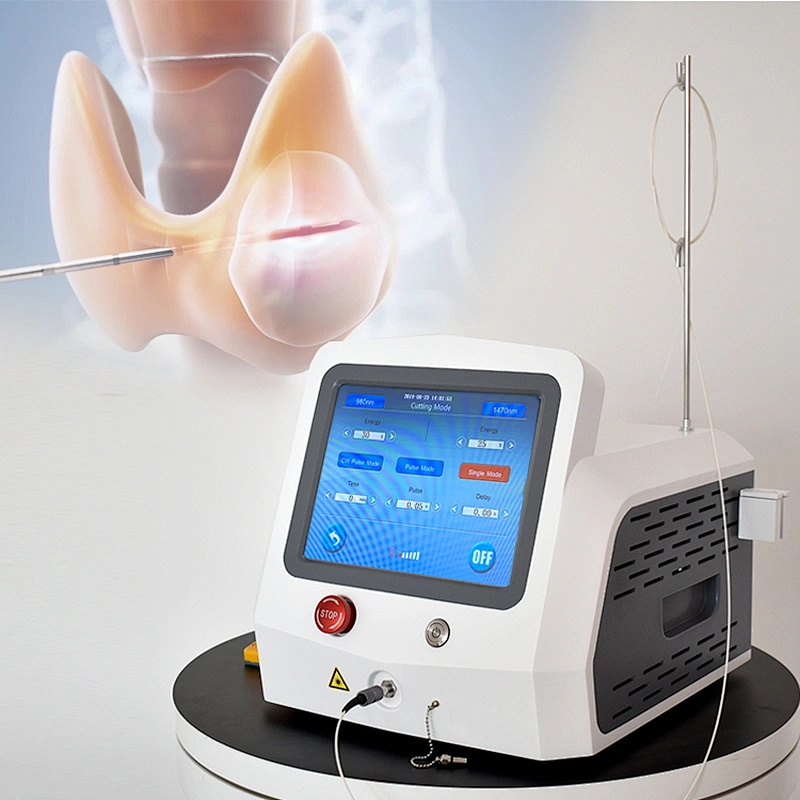
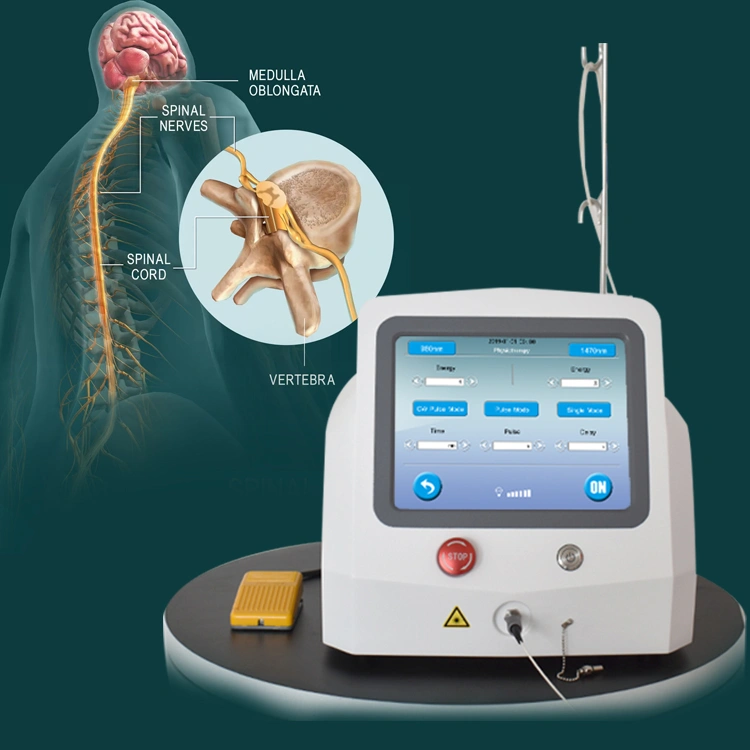
Percutaneous laser disc decompression (PLDD) is the utmost minimally invasive percutaneous laser techniquein the treatment of the disc hernias, cervical hernias, dorsal hernias(except for the segment T1-T5), and lumbar hernias. The procedureuses the laser energy to absorb the water within the herniated nucleuspulposus creating a decompression.
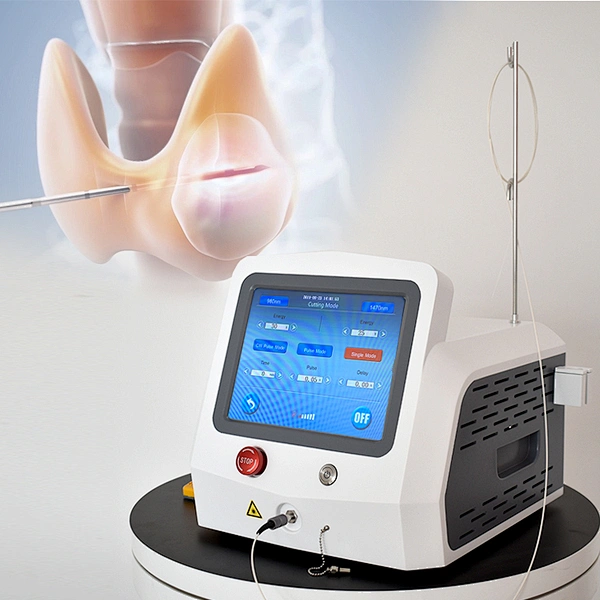
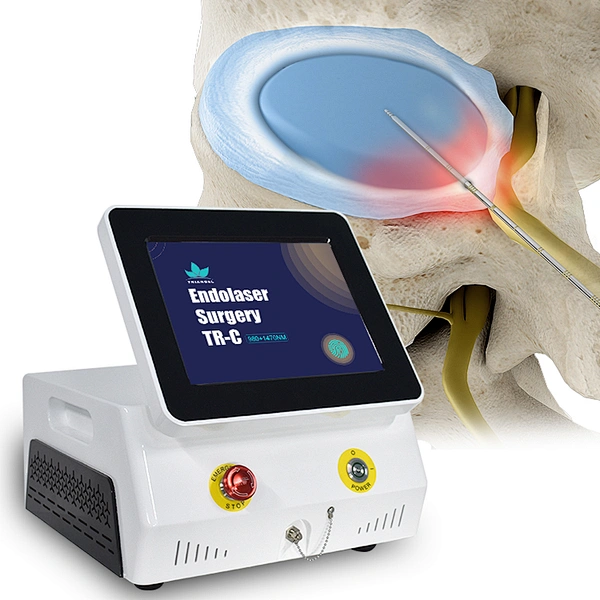
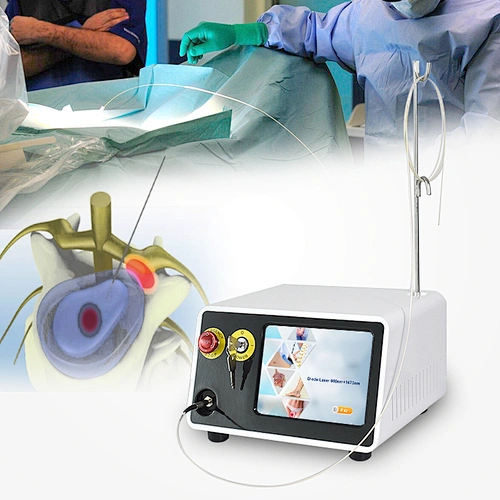
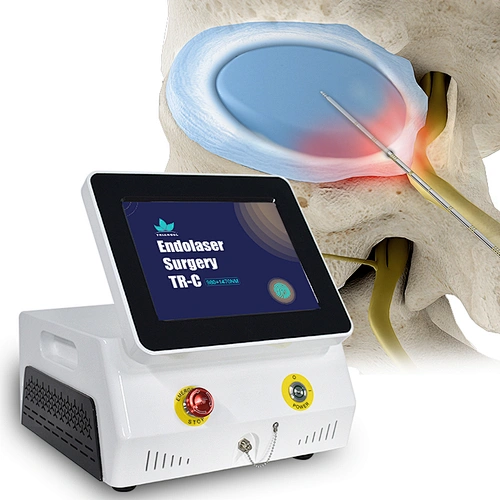
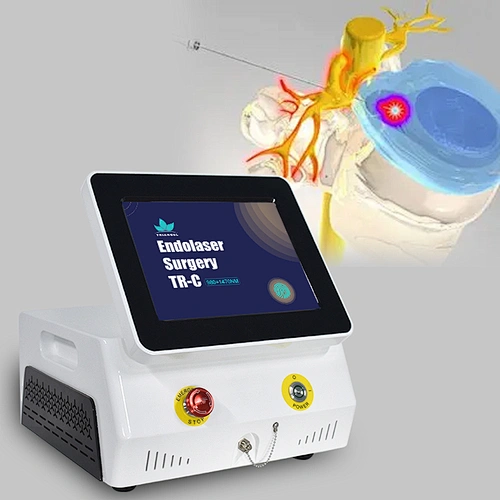
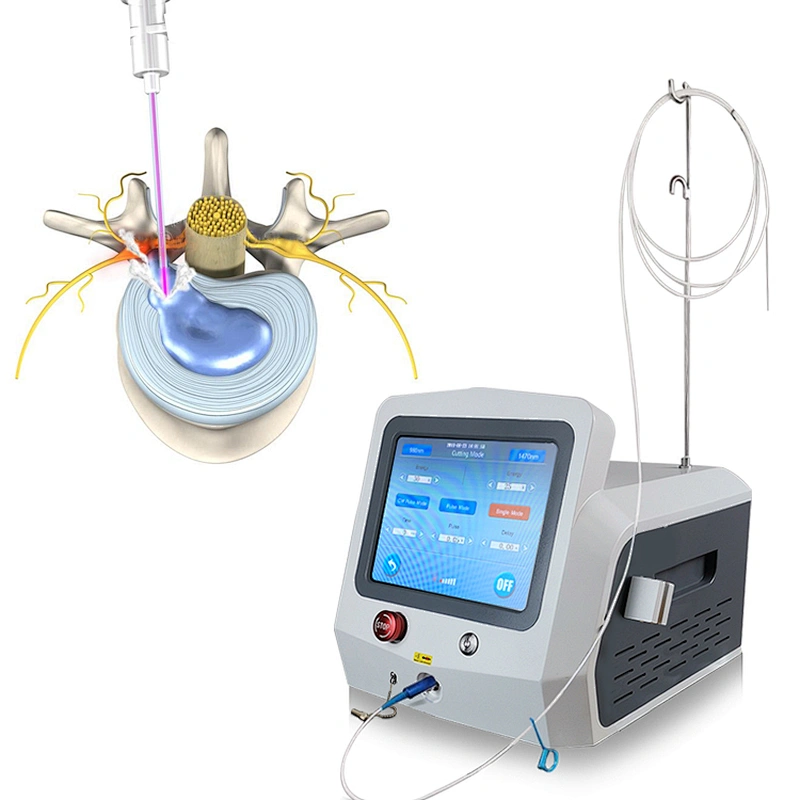
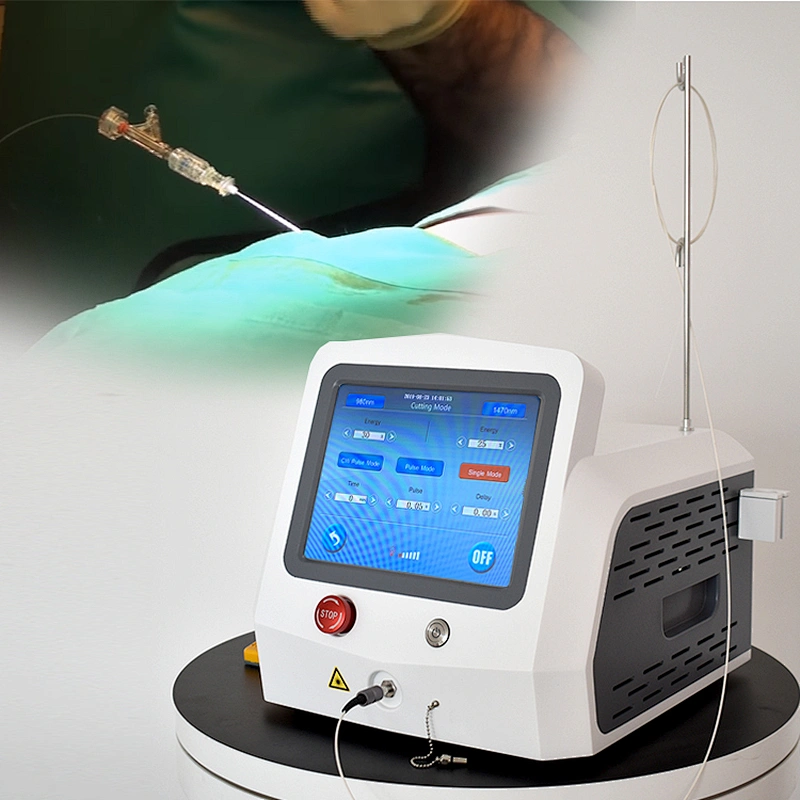
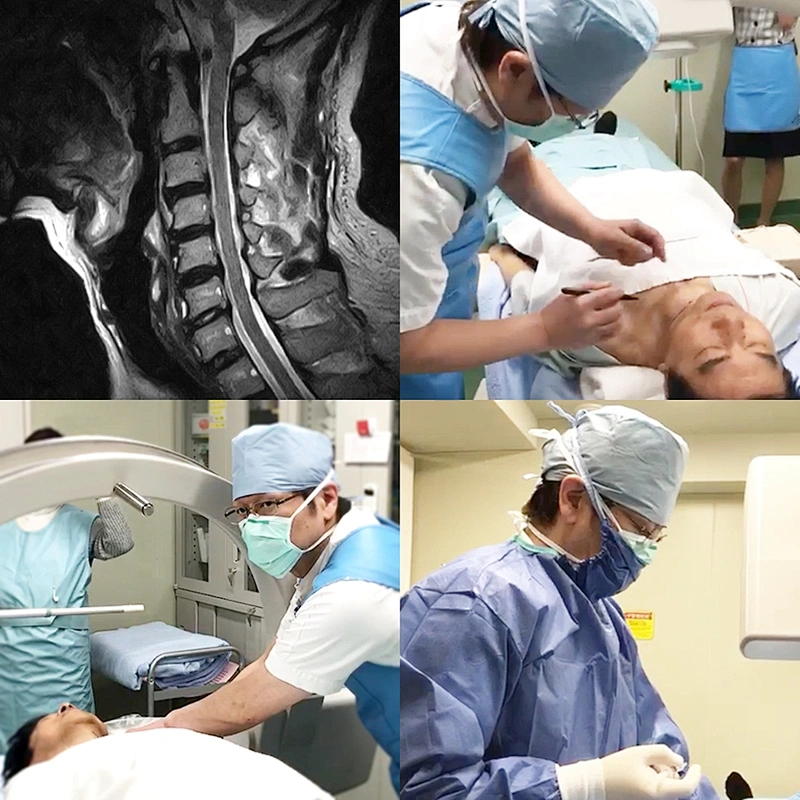
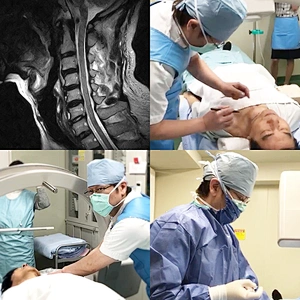
The PLDD treatment is performed on an outpatient basis using only local anesthesia. During the procedure, a thin needle is inserted into the herniated disc under x-ray or CT guidance. An optical fiber is inserted through the needle and laser energy is sent through the fiber, vaporizing a tiny portion of the disc nucleus. This creates a partial vacuum which draws the herniation away from the nerve root, thereby relieving the pain. The effect usually is immediate.
Percutaneous laser disc decompression (PLDD) is the utmost minimally invasive percutaneous laser techniquein the treatment of the disc hernias, cervical hernias, dorsal hernias(except for the segment T1-T5), and lumbar hernias. The procedureuses the laser energy to absorb the water within the herniated nucleuspulposus creating a decompression.
The PLDD treatment is performed on an outpatient basis using only local anesthesia. During the procedure, a thin needle is inserted into the herniated disc under x-ray or CT guidance. An optical fiber is inserted through the needle and laser energy is sent through the fiber, vaporizing a tiny portion of the disc nucleus. This creates a partial vacuum which draws the herniation away from the nerve root, thereby relieving the pain. The effect usually is immediate.
The Principle Of PLDD
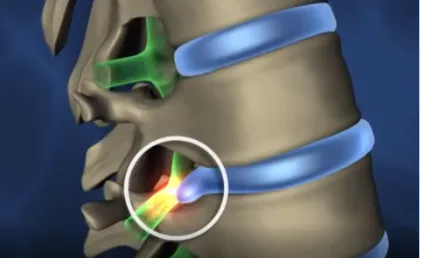
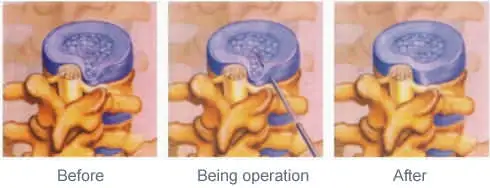
In the procedure of percutaneous laser disc decompression, laser energy is transmitted through a thin optical fiber into the disc.
The aim of PLDD is to vaporize a small portion of the inner core. The ablation of a relatively small volume of the inner core results in an important reduction of intra-discal pressure, thus inducing reduction of disc herniation.
In the procedure of percutaneous laser disc decompression, laser energy is transmitted through a thin optical fiber into the disc.
The aim of PLDD is to vaporize a small portion of the inner core. The ablation of a relatively small volume of the inner core results in an important reduction of intra-discal pressure, thus inducing reduction of disc herniation.
Why 980nm+1470nm?
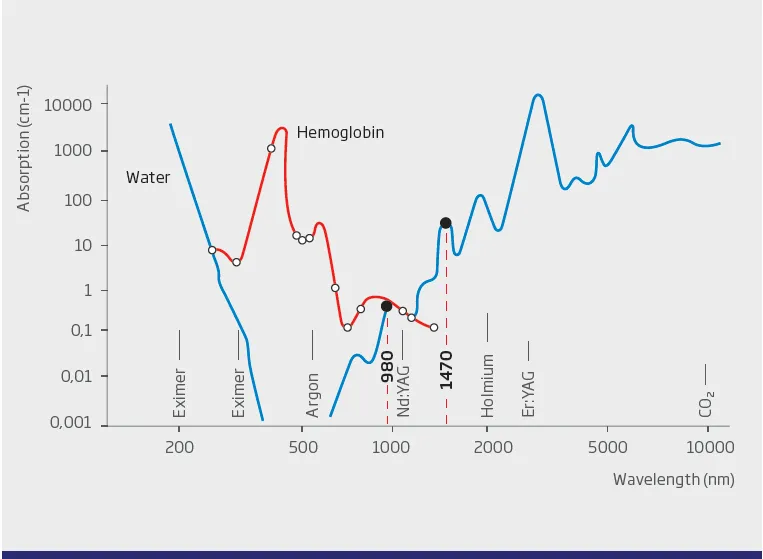
1.Hemoglobin has a high absorption rate of 980 nm laser, and this feature can enhance hemostasis; thereby reducing fibrosis and vascular bleeding. This provides the benefits of postoperative comfort and a more rapid recovery . In addition, considerable tissue retraction, both immediate and delayed, is achieved by stimulating collagen formation.
2. The 1470nm has a higher water absorption rate, the laser energy to absorb the water within the herniated nucleuspulposus creating a decompression. Therefore, the combination of 980 + 1470 can not only achieve a good therapeutic effect, but also prevent tissue bleeding.
1.Hemoglobin has a high absorption rate of 980 nm laser, and this feature can enhance hemostasis; thereby reducing fibrosis and vascular bleeding. This provides the benefits of postoperative comfort and a more rapid recovery . In addition, considerable tissue retraction, both immediate and delayed, is achieved by stimulating collagen formation.
2. The 1470nm has a higher water absorption rate, the laser energy to absorb the water within the herniated nucleuspulposus creating a decompression. Therefore, the combination of 980 + 1470 can not only achieve a good therapeutic effect, but also prevent tissue bleeding.
Products Advantages
Advantages Of PLDD Laser Treatment
1. It's minimally invasive, hospitalization is unnecessary, patients get off the table with just a small adhesive bandage and return home for 24 hours of bed rest. Then patients begin progressive ambulation, walking up to a mile. Most return to work in four to five days.
2. Highly effective if correctly prescribed.
3. Processed under local, not general anesthesia.
4. Safe and fast surgical technique, No cutting, No scarring, Since only a tiny amount of disc is vaporized, there is no subsequent spinal instability. Different from open lumbar disc surgery, there is no damage to the back muscle, no bone removal or large skin incision.
5. It's applicable to patients who are at higher risk to open discectomy such as those with diabetes, heart disease, decreased liver and kidney functions etc.
1. It's minimally invasive, hospitalization is unnecessary, patients get off the table with just a small adhesive bandage and return home for 24 hours of bed rest. Then patients begin progressive ambulation, walking up to a mile. Most return to work in four to five days.
2. Highly effective if correctly prescribed.
3. Processed under local, not general anesthesia.
4. Safe and fast surgical technique, No cutting, No scarring, Since only a tiny amount of disc is vaporized, there is no subsequent spinal instability. Different from open lumbar disc surgery, there is no damage to the back muscle, no bone removal or large skin incision.
5. It's applicable to patients who are at higher risk to open discectomy such as those with diabetes, heart disease, decreased liver and kidney functions etc.
Company Profile
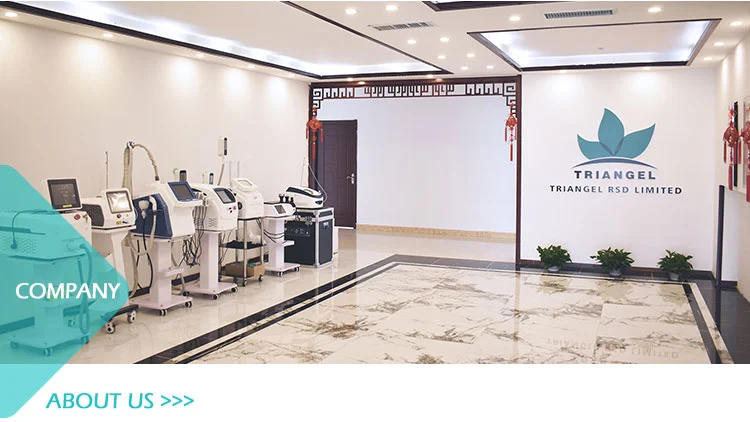
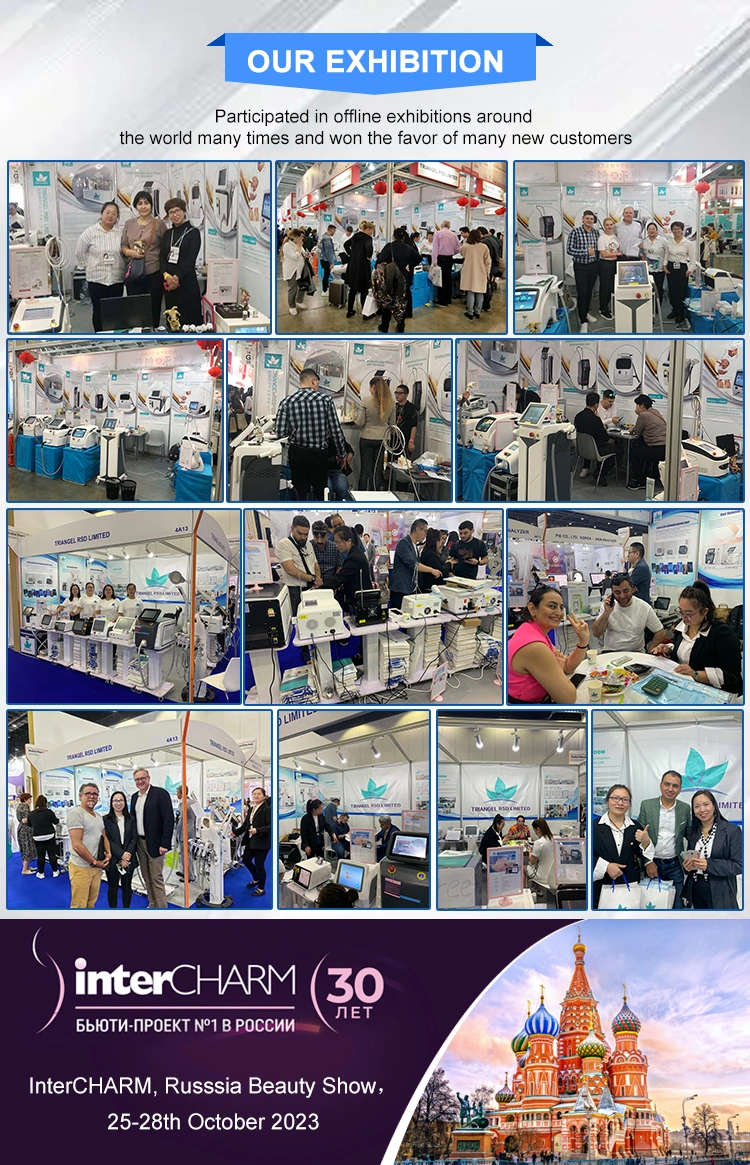
BAODING TAZLASER ELECTRONICS TECHNOLOGY LIMITED,is one of the specialized manufactures focused on the Aesthetics & Laser equipment in China,established in March 2010.We have our own repair companies & training centers in several countries,like Portugal,Russia,Australia,South Africa...could offer the technical support and clinical training in the fast and efficient way. TRIANGEL got different certificates for clients from all over the world. CE,ISO13485, RoHS;We also take part in exhibitions every year,Cosmoprof Asia(HongKong),DUBAI DERMA,INTERCHARM(Moscow),Expocosmetica(Oporto),AMSCA(South Africa)...
TRIANGEL,hope to be your Responsible,Sincere and Dependable partner in China!
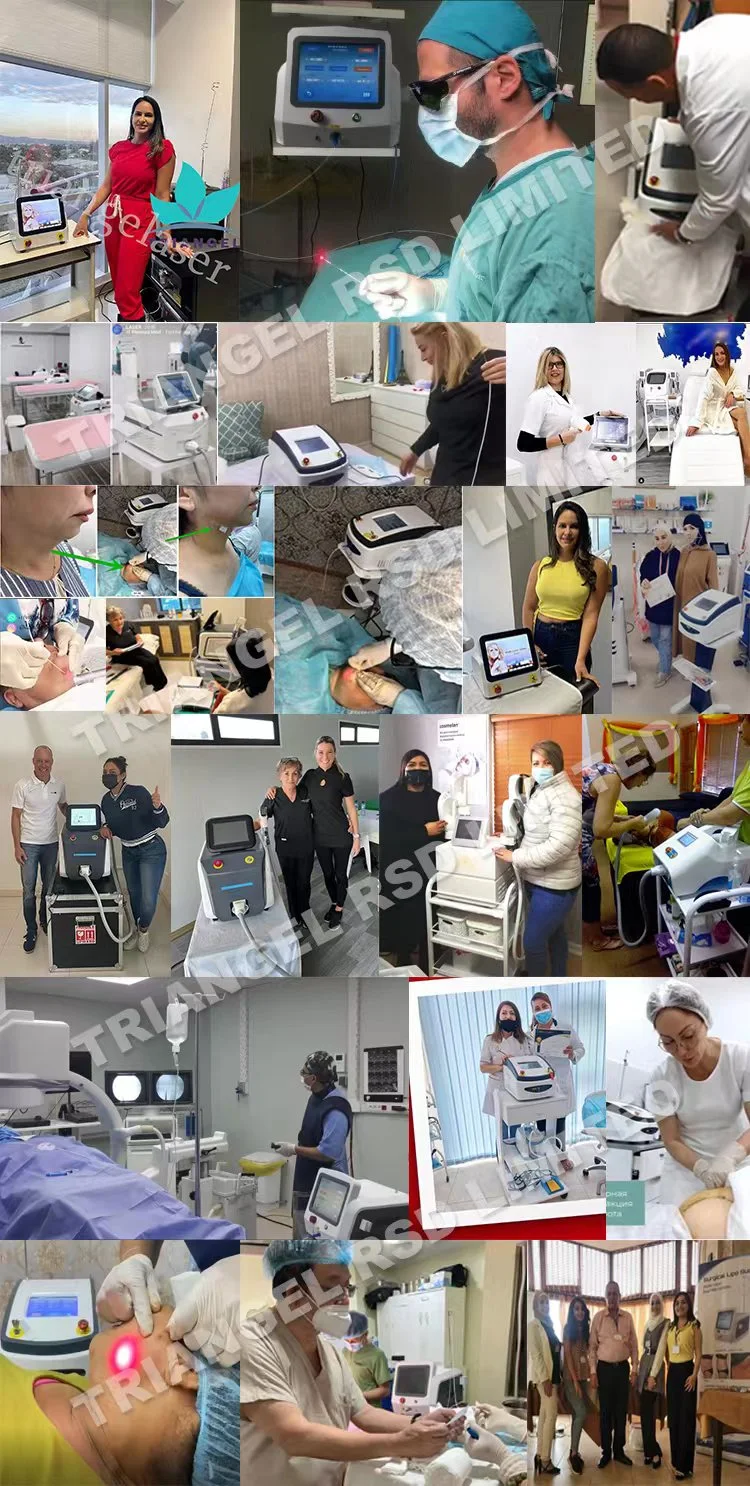
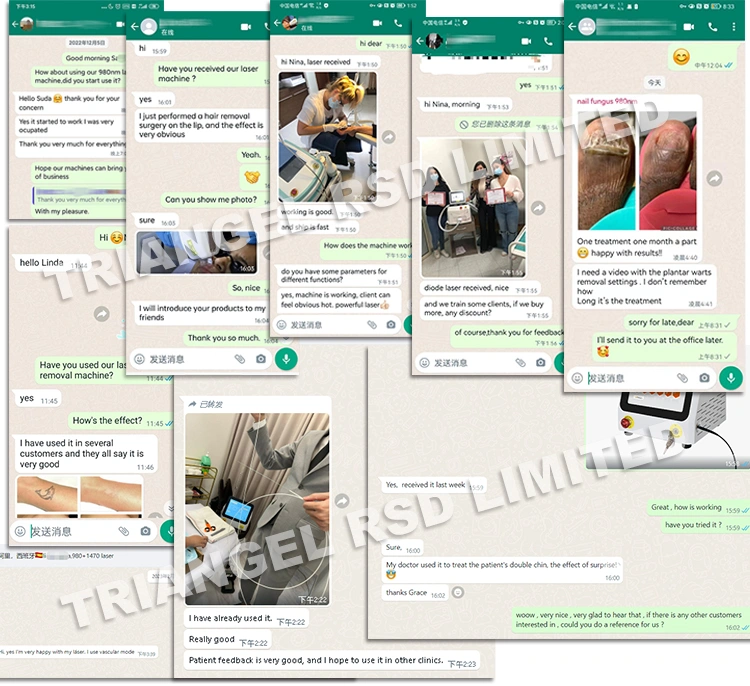
Customer Feedback
FAQ
1: WHAT IS PLDD?
The pldd (percutaneous laser disc decompression) is a not-surgical technique but truly minimal invasive interventional procedure for the treatment of a 70% of the disc hernia and 90% of the disc protrusions (these are small disc hernia that sometimes are very painful and do not respond to the most conservative therapies as pain killers, cortisonic and physical therapies and so on).
2: HOW DOES THE PLDD WORK?
It uses local anesthesia, a tiny needle and a laser optical fiber. It is practicated into the operating room with the patient in the lateral position or prone (for lumbar disk) or supin (for cervical). Firstly the local anesthesia in an exact point of the back (if lumbar) or of the neck (if cervical) is done, then a tiny needle is inserted through the skin and muscles and this, under radiological control, reaches the center of the disc (called nucleus pulposus). At this point the laser optical fiber is inserted inside the tiny needle and i start to delivery the laser energy (heat) that vaporizes a very small amount of the nucleus pulposus.
This determines a decrease of 50-60% of the intra discal pressure and therefore also the pressure that disc hernia or protrusion exercises on the nerve root (cause of pain).
The pldd (percutaneous laser disc decompression) is a not-surgical technique but truly minimal invasive interventional procedure for the treatment of a 70% of the disc hernia and 90% of the disc protrusions (these are small disc hernia that sometimes are very painful and do not respond to the most conservative therapies as pain killers, cortisonic and physical therapies and so on).
2: HOW DOES THE PLDD WORK?
It uses local anesthesia, a tiny needle and a laser optical fiber. It is practicated into the operating room with the patient in the lateral position or prone (for lumbar disk) or supin (for cervical). Firstly the local anesthesia in an exact point of the back (if lumbar) or of the neck (if cervical) is done, then a tiny needle is inserted through the skin and muscles and this, under radiological control, reaches the center of the disc (called nucleus pulposus). At this point the laser optical fiber is inserted inside the tiny needle and i start to delivery the laser energy (heat) that vaporizes a very small amount of the nucleus pulposus.
This determines a decrease of 50-60% of the intra discal pressure and therefore also the pressure that disc hernia or protrusion exercises on the nerve root (cause of pain).
3: HOW MUCH TIME TAKES THE PLDD? IS A SINGLE SESSION ?
Every pldd (i can also treat 2 disks at the same time) takes from 30 to 45 minutes and there is only one session .
4 : PATIENT FEEL PAIN DURING PLDD?
If made in experienced hands the pain during the pldd is minimum and only for few seconds: it comes at the time when the needle cross the anulus fibrous of the disc (the most external part of the disc). The patient, who is always awake and collaborating, must be adviced at that time to avoid rapid and unexpected movement of the body which he / she could make in reaction at the same short pain. Many patients do not feel pain during all the procedure.
5: DOES PLDD HAVE IMMEDIATE RESULTS?
In 30% of cases the patient feels immediate improvement of pain that then improves further and gradually in the following 4 to 6 weeks. In 70% of cases often there are"up and down pain"with"old"and"new"pain in the following 4 – 6 weeks and a serious and reliable judgment on the success of pldd is given only after 6 weeks. When the success is positive, the improvements can continue up to 11 months after the procedure.
Every pldd (i can also treat 2 disks at the same time) takes from 30 to 45 minutes and there is only one session .
4 : PATIENT FEEL PAIN DURING PLDD?
If made in experienced hands the pain during the pldd is minimum and only for few seconds: it comes at the time when the needle cross the anulus fibrous of the disc (the most external part of the disc). The patient, who is always awake and collaborating, must be adviced at that time to avoid rapid and unexpected movement of the body which he / she could make in reaction at the same short pain. Many patients do not feel pain during all the procedure.
5: DOES PLDD HAVE IMMEDIATE RESULTS?
In 30% of cases the patient feels immediate improvement of pain that then improves further and gradually in the following 4 to 6 weeks. In 70% of cases often there are"up and down pain"with"old"and"new"pain in the following 4 – 6 weeks and a serious and reliable judgment on the success of pldd is given only after 6 weeks. When the success is positive, the improvements can continue up to 11 months after the procedure.