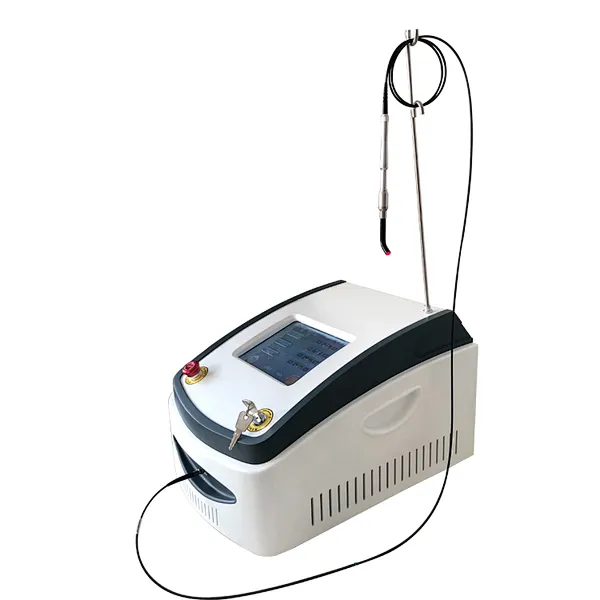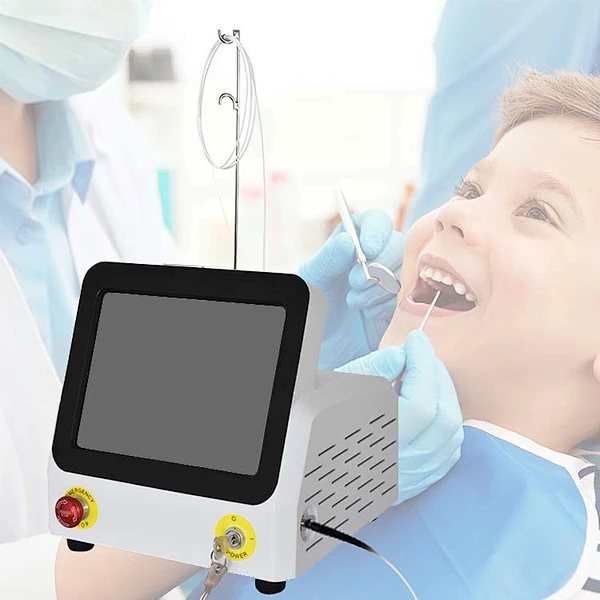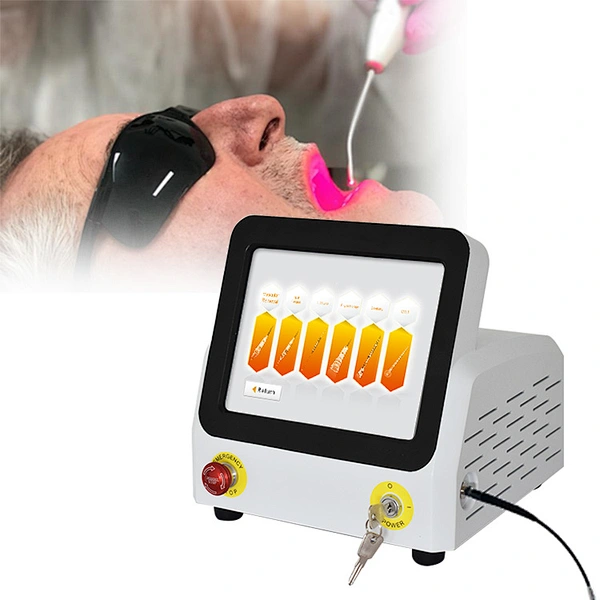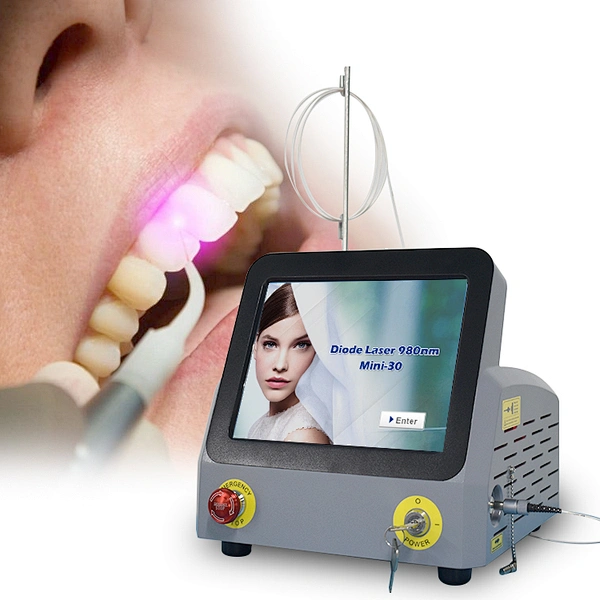


- Place of Origin:Beijing, China
- Brand Name:TAZLASER
- Model Number:Tr980 v1
- Q-Switch:No
- Laser Type:laser
- Style:PORTABLE
- Type:Laser, laser
- Feature:Dental
- Application:For Commercial
- After-sales Service Provided:Online support, Video technical support
- Warranty:1 Year
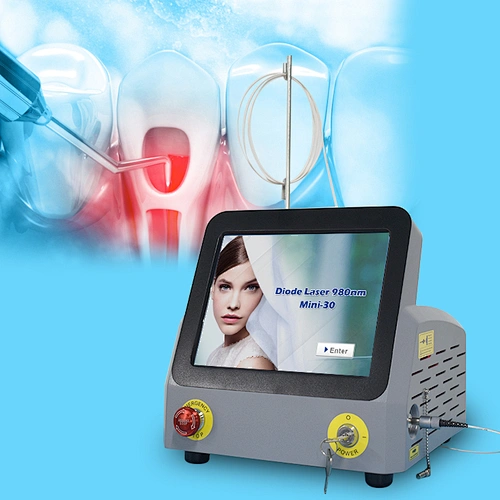
- Laser wavelength:980nm
- Power:30w/60w
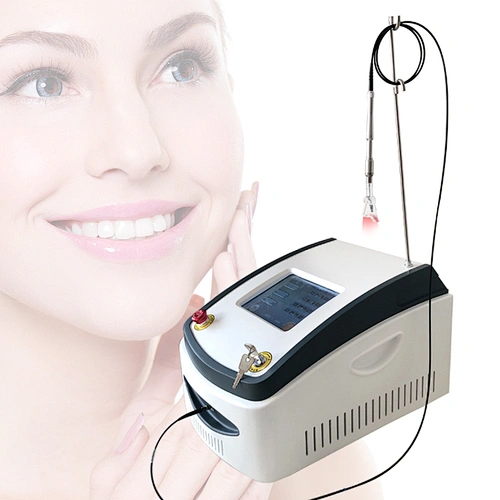
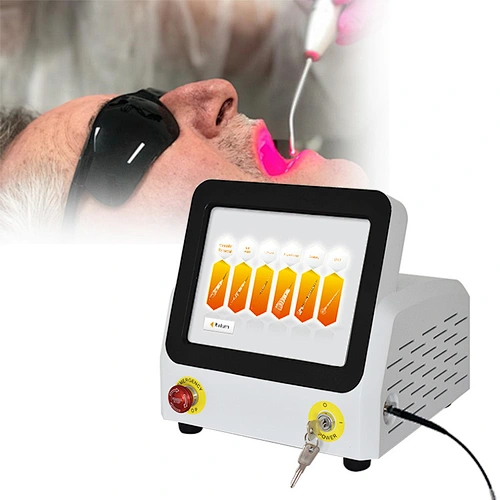
- Name:TR980v1
- Service:Logo OEM
- After-sale Service:Online technical support
- Color:White+black
- Keyword:980 laser
- Net weight:5kg
- Certification:ISO13485/9001/ce
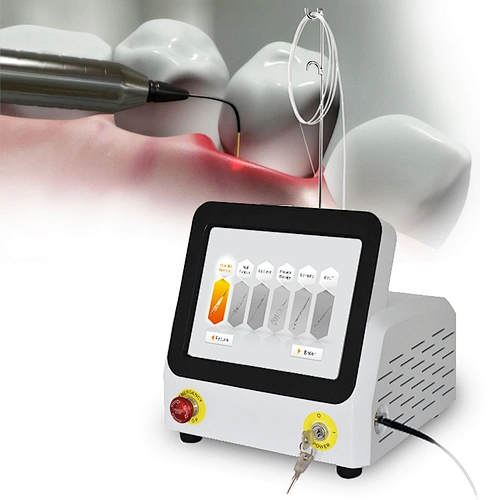
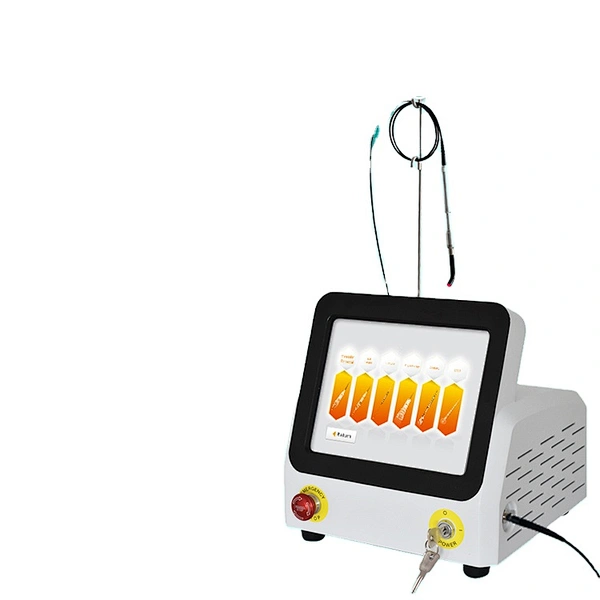
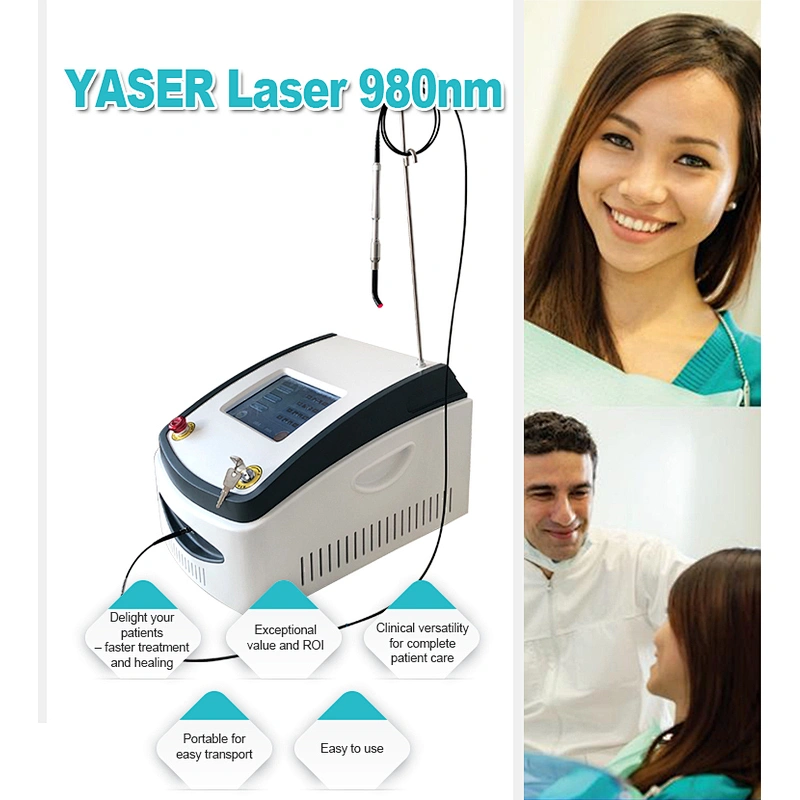
2022 Dental Laser 980nm diode laser soft tissue cutting laser CE Marked
Products Description
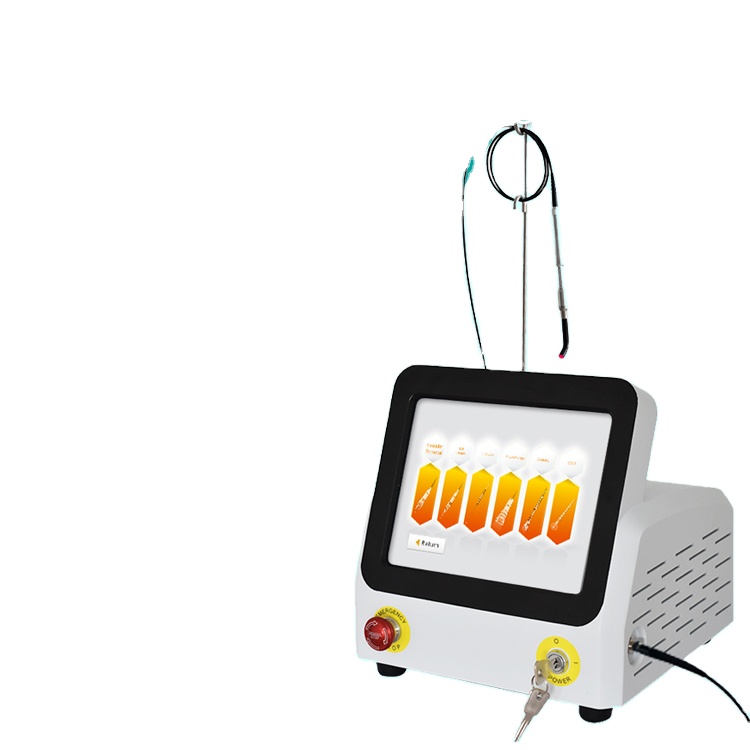
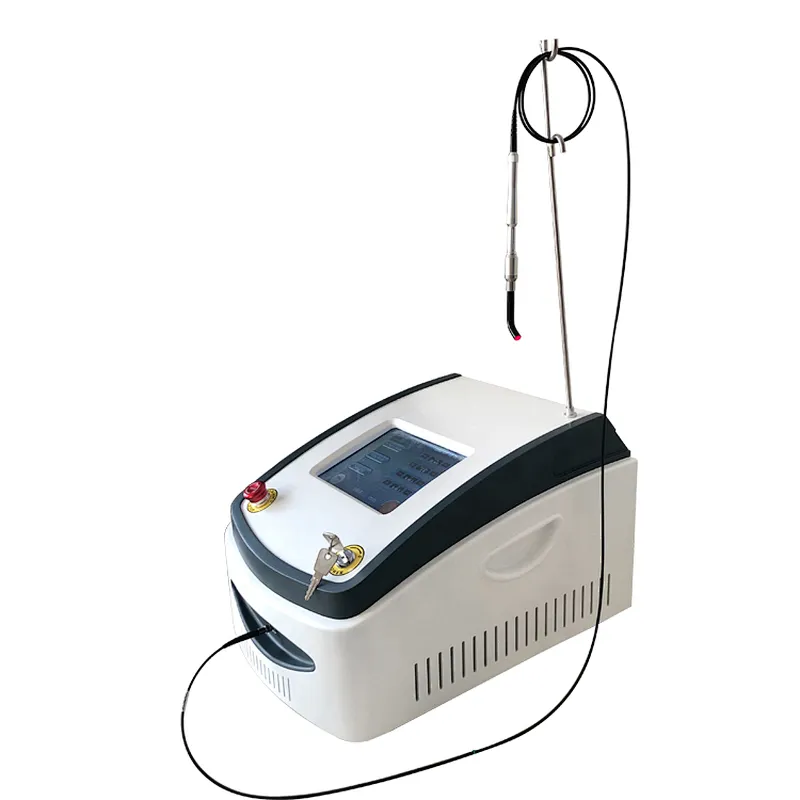
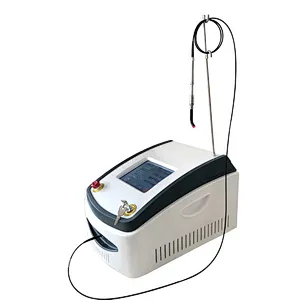
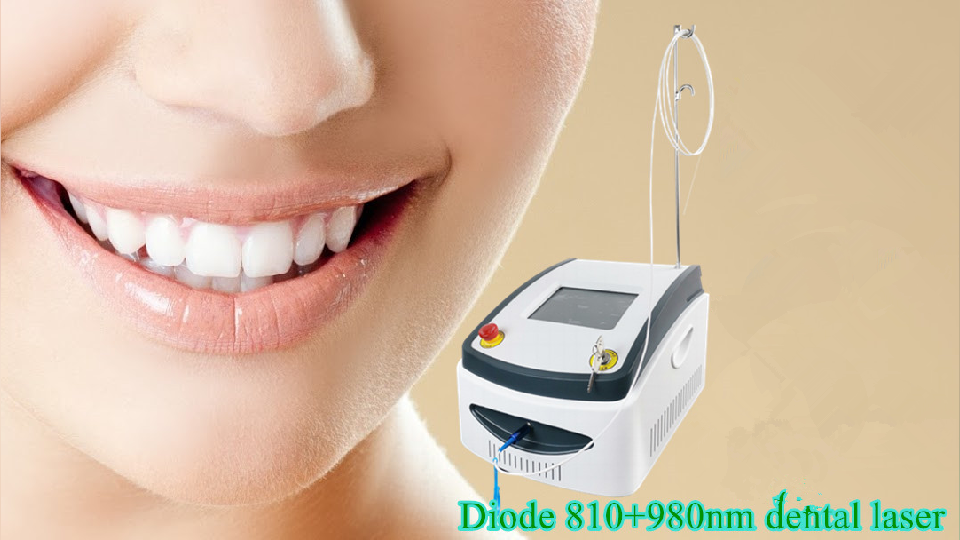
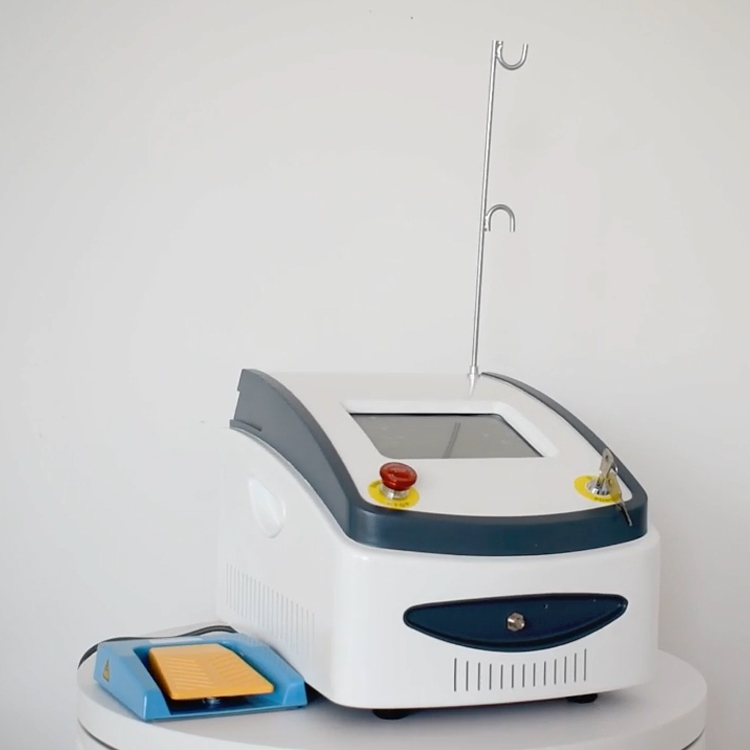
Laser type | Diode Laser Gallium-Aluminum-Arsenide GaAlAs |
Laser Wavelength | 980 nm |
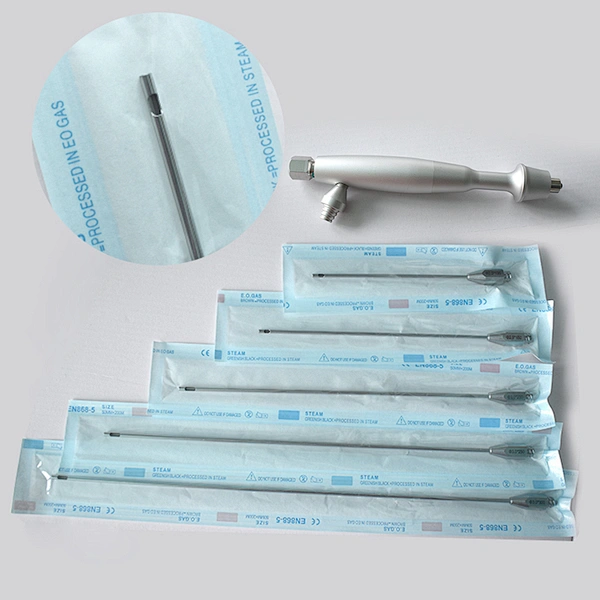
Fiber diameter | 400um metal covered fiber |
Output Power | 30w 60W |
Working modes | CW and Pulse Mode |
Pulse | 0.05-1s |
Delay | 0.05-1s |
Spot size | 20-40mm adjustble |
Voltage | 100-240V, 50/60HZ |
Size | 48*40*30cm |
Weight | 5kg |
What is laser dentistry?
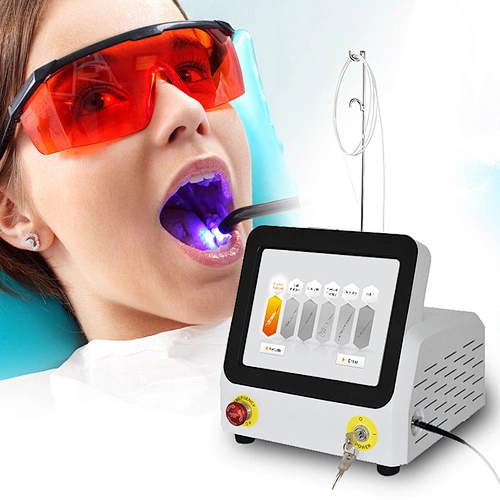
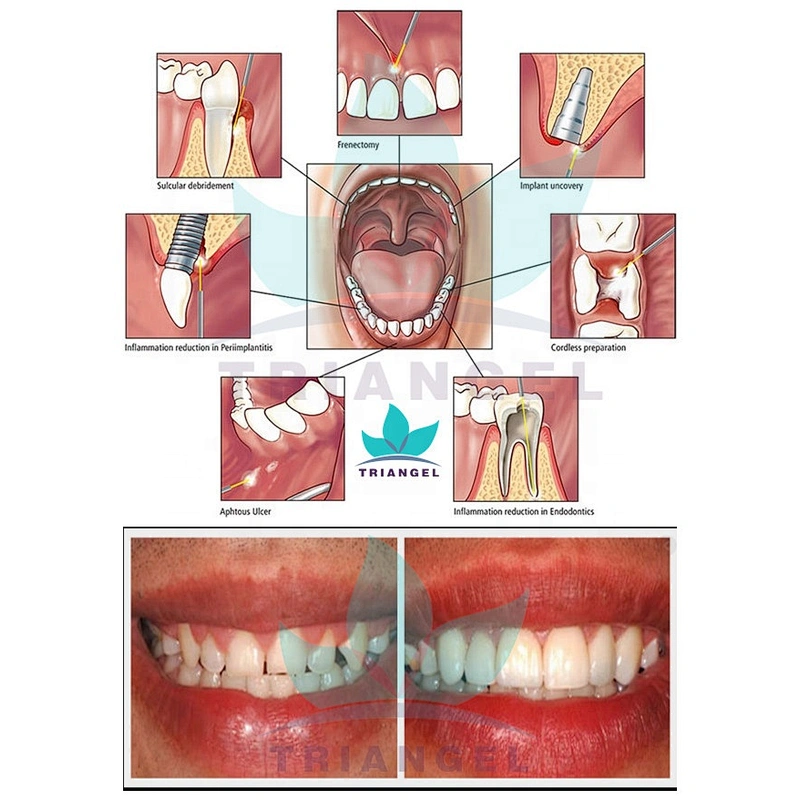
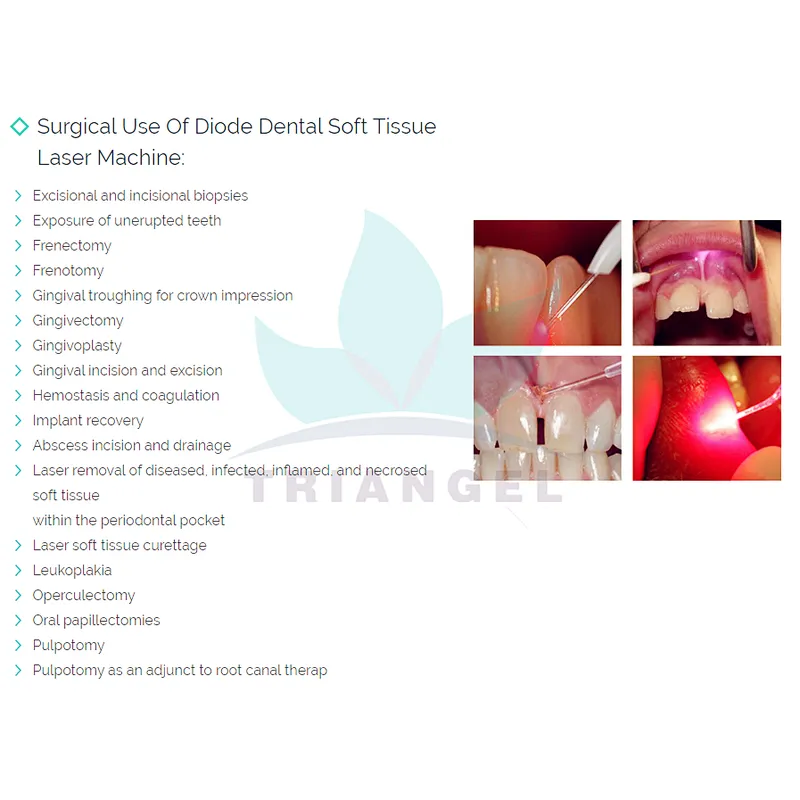
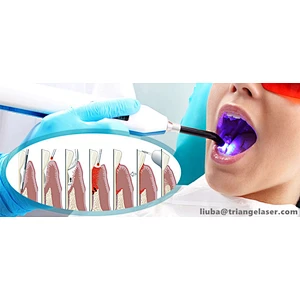
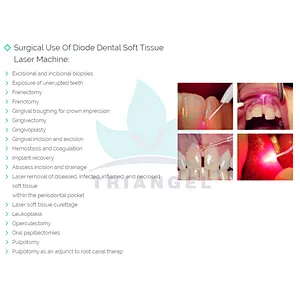
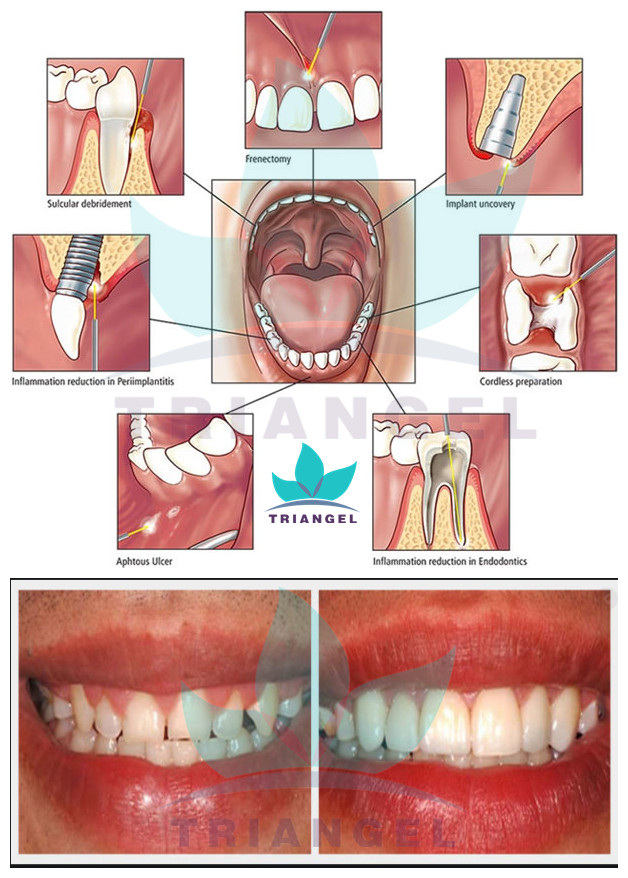
If you’ve never heard of this innovative type of dental care, now is the time to learn. Laser dentistry is a minimally invasive option when you’re facing gum surgery, cavity treatment, or other oral issues. Discuss your laser surgery options with one of our dentists today. The most common indications of lasers is in soft tissue surgery and painful conditions of the mouth such as oral ulcers. They are advocated in those patients who have an underlying medical condition and cannot undergo conventional surgical procedures.
The biggest advantages of dental laser treatment is that it is pain free, involves minimal bleeding and is devoid of any side effects. Dental lasers are also used to treat peri-implant diseases.
The biggest advantages of dental laser treatment is that it is pain free, involves minimal bleeding and is devoid of any side effects. Dental lasers are also used to treat peri-implant diseases.
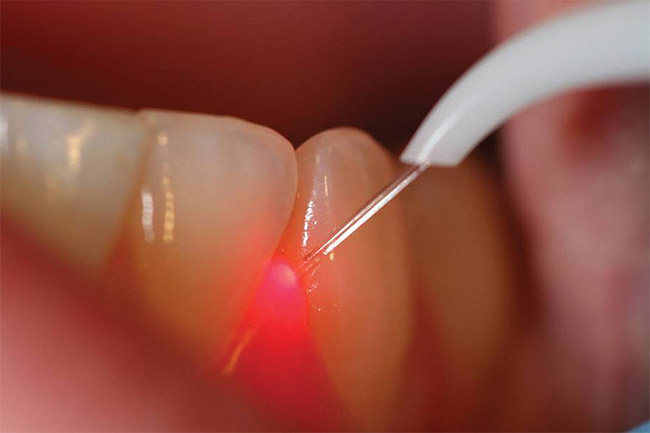
TRIANGEL YASER -Dual 810+980nm Laser Technology Better Meets Your Dental Needs
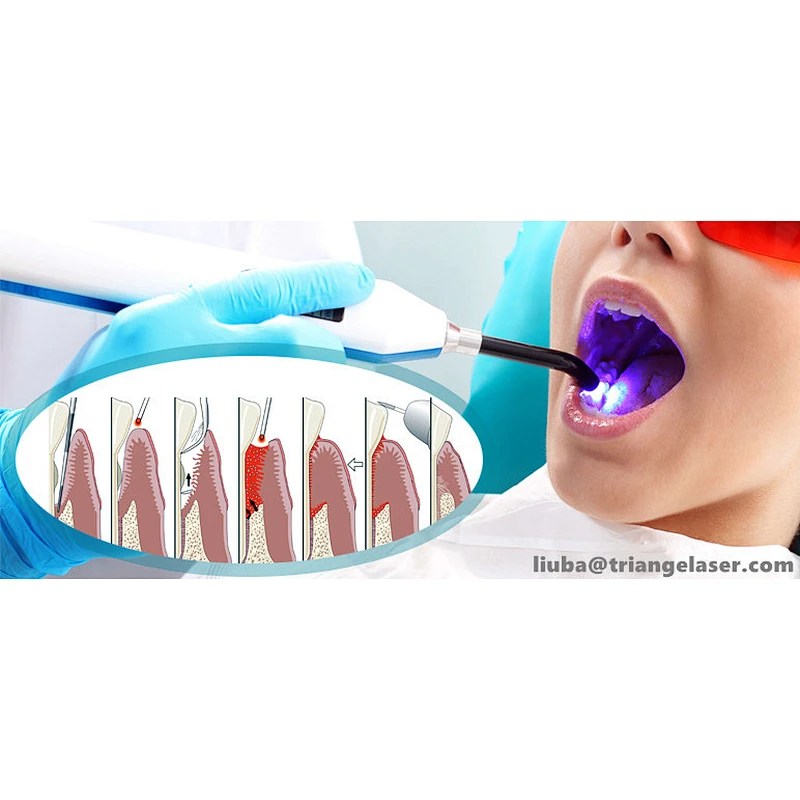
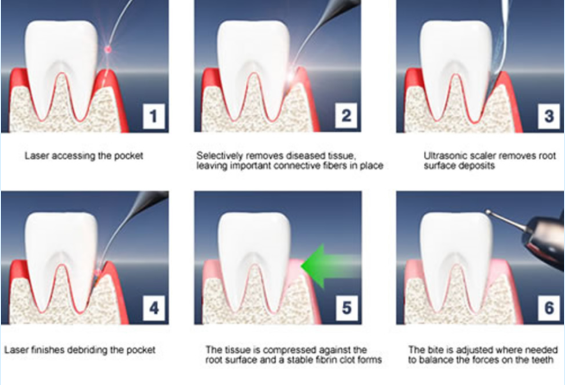
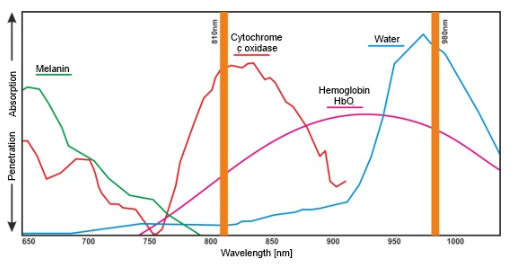
YASER 810nm and 980nm wavelength diode dental laser are the most researched wavelength used in soft tissue units; The unique dual-wavelength technology combines the 810-nm wavelength optimally absorbed by melanin and hemoglobin with the 980-nm wavelength optimized for absorption by water they have energy and wavelength characteristics that specifically target oral soft tissues.
The 810nm and 980nm wavelength has been shown to have a significant long-term bactericidal effect in periodontal pockets; scaling and root planing outcomes are enhanced. Finally, the patient is typically more comfortable; gingival healing is faster, more stable.
YASER 810nm and 980nm wavelength diode dental laser are the most researched wavelength used in soft tissue units; The unique dual-wavelength technology combines the 810-nm wavelength optimally absorbed by melanin and hemoglobin with the 980-nm wavelength optimized for absorption by water they have energy and wavelength characteristics that specifically target oral soft tissues.
The 810nm and 980nm wavelength has been shown to have a significant long-term bactericidal effect in periodontal pockets; scaling and root planing outcomes are enhanced. Finally, the patient is typically more comfortable; gingival healing is faster, more stable.
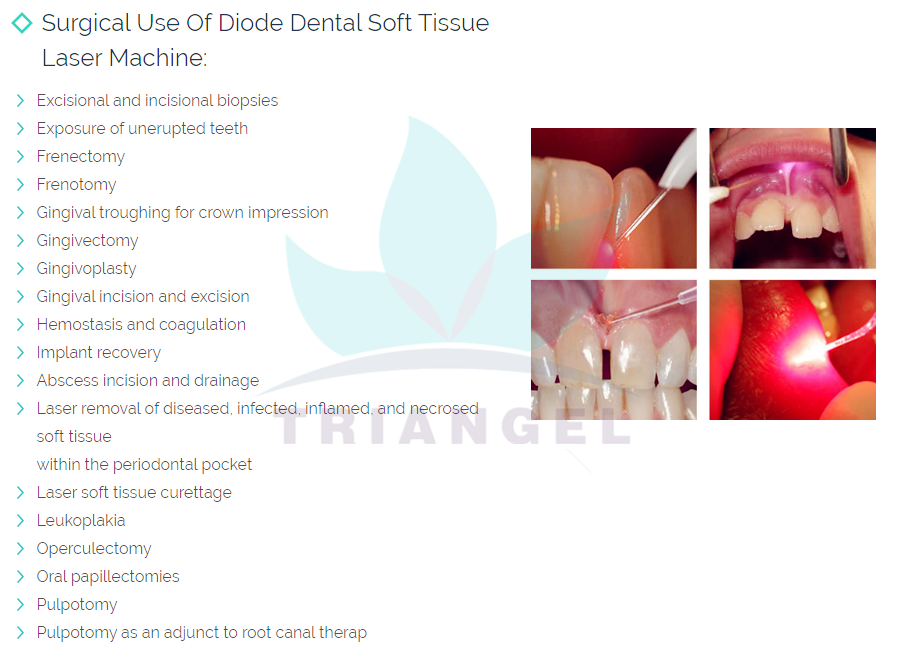
Application
Products Advantages
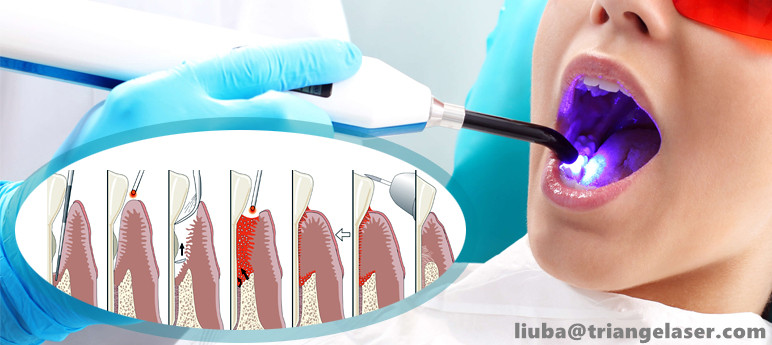
LASEEV in dentistry are gaining importance as their spectrum of use in various dental treatment procedures are increasing. The advantages of lasers as compared to the conventional therapies as claimed by the doctors who use lasers in their practice are :
Bloodless and sterile field, No or very less need of antibiotics as the surgeries are carried out without touching the concerned area,Wounds heal faster,Little or no anesthesia required,Less post operative discomfort,Makes treatment more predictable.Qualified and experienced visiting laser dental therapists perform operations at pooja dent care for the patients who require dental lasers for their treatment.
Bloodless and sterile field, No or very less need of antibiotics as the surgeries are carried out without touching the concerned area,Wounds heal faster,Little or no anesthesia required,Less post operative discomfort,Makes treatment more predictable.Qualified and experienced visiting laser dental therapists perform operations at pooja dent care for the patients who require dental lasers for their treatment.
Company Profile
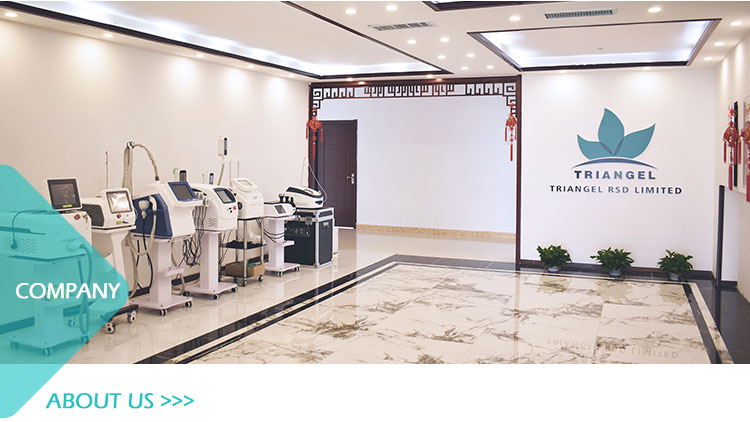
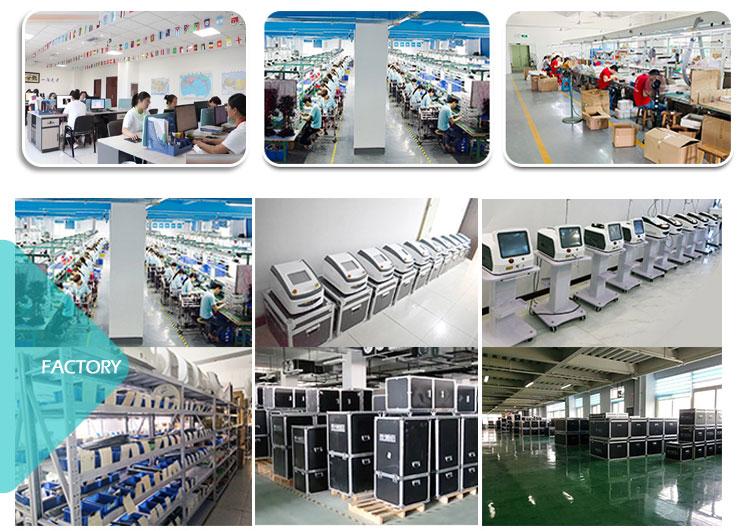
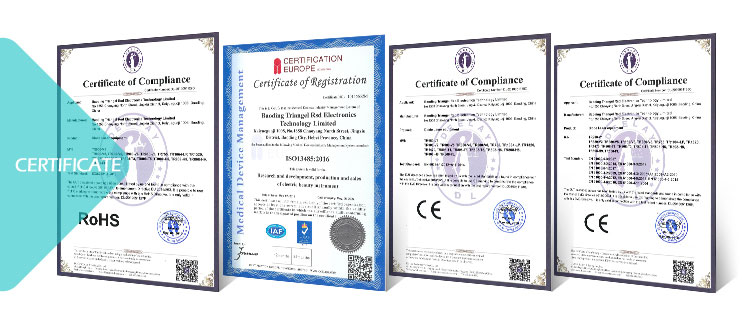
BAODING TAZLASER ELECTRONICS TECHNOLOGY LIMITED,is one of the specialized manufactures focused on the Aesthetics & Medical laser equipment in China,established in March 2010.We have our own repair companies & training centers in several countries,like Portugal,Russia,Australia,South Africa...could offer the technical support and clinical training in the fast and efficient way. TRIANGEL got different certificates for clients from all over the world.Medical CE,ISO13485, RoHS;We also take part in exhibitions every year,Cosmoprof Asia(HongKong),DUBAI DERMA,INTERCHARM(Moscow),Expocosmetica(Oporto),AMSCA(South Africa)...
TAZLASER,hope to be your Responsible,Sincere and Dependable partner in China!
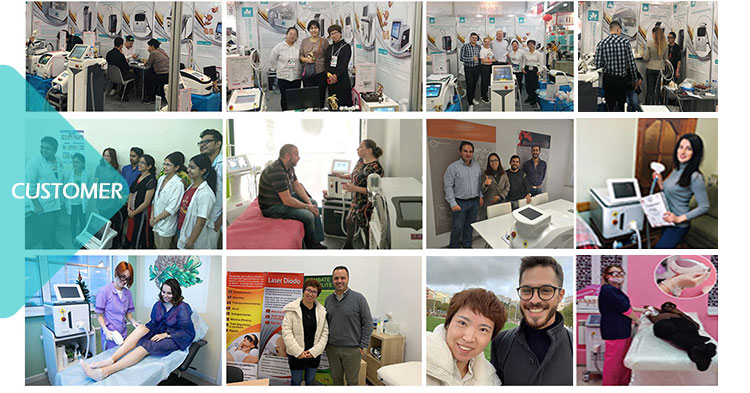
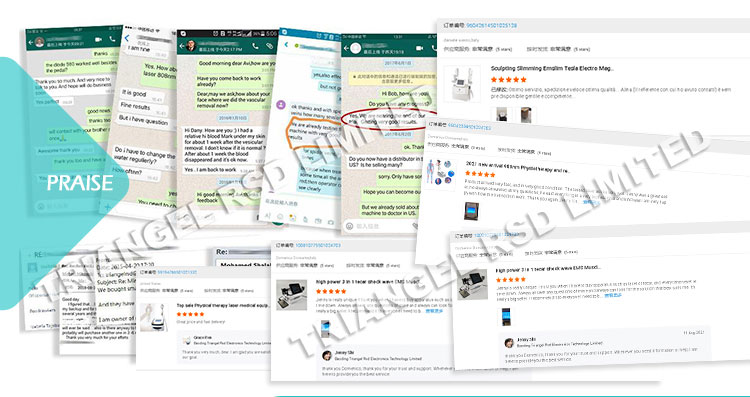
Customer Feedback
FAQ
1: Why dental is so expensive?
The more specialized the dental care becomes the more educated and trained the dental team needs to be to be and this is why high quality and high end dental care can seem so expensive. Government intervention and mandates will continue to increase the cost of care.
Q2: What is a do in dentistry?
Usually refers to dental caries or a restoration located at the distal and extending onto the occlusal or chewing surface.
Q3: What if I can't afford to go to the dentist?
State and Local Resources. Your state or local health department may know of programs in your area that offer free or reduced-cost dental care. Call your local or state health department to learn more about their financial assistance programs. Check your local telephone book for the number to call.
The more specialized the dental care becomes the more educated and trained the dental team needs to be to be and this is why high quality and high end dental care can seem so expensive. Government intervention and mandates will continue to increase the cost of care.
Q2: What is a do in dentistry?
Usually refers to dental caries or a restoration located at the distal and extending onto the occlusal or chewing surface.
Q3: What if I can't afford to go to the dentist?
State and Local Resources. Your state or local health department may know of programs in your area that offer free or reduced-cost dental care. Call your local or state health department to learn more about their financial assistance programs. Check your local telephone book for the number to call.